
Strawberry and Chocolate
1993
No user ratings available yet
Representation score: 7.0 out of 10
Representation Score
Excellent
2020
ApprovedDirector
Andy Montana
Runtime
101 minutes
Average Rating
No ratings yetNew Showbiz Analysis
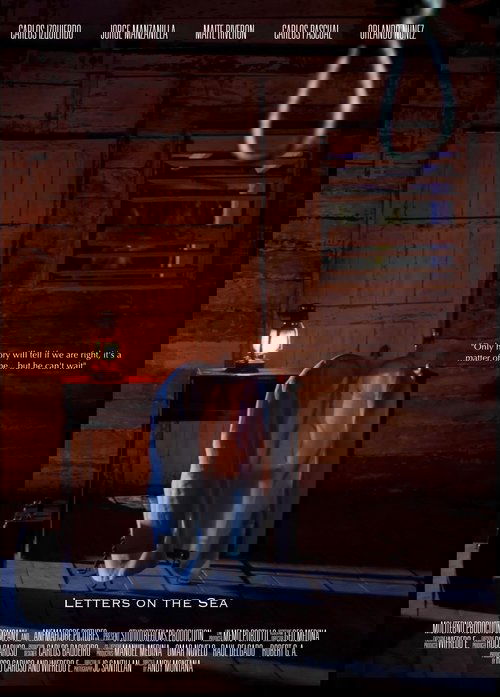
Letters on the Sea is a character-driven exploration of identity set against the restrictive backdrop of 1970s communist Cuba. The film excels in its portrayal of queer identity, transforming a protagonist's identity from a source of state-sanctioned shame into a driver of movement and survival. The narrative's strength lies in its cultural critique, using the tension between individual truth and state-mandated social cohesion to create a profound existential drama. By centering on the friction between the person and the institution, the film achieves a high level of cultural depth. However, the film's focus is narrow, leaning heavily into male-centric perspectives and using mental health struggles primarily as a plot device for the lead character. This limits the depth of its representation regarding gender and disability.
Category Breakdown
The film centers on Josué, a young gay man seeking freedom from a state that promotes homophobia. His identity serves as a powerful catalyst for his journey toward survival and personal empowerment.
The narrative focuses heavily on the male experiences of Josué and Noha. While it explores interpersonal dynamics, the subversion of traditional gender roles remains less defined.
The story provides a localized Caribbean perspective by grounding characters in a specific Cuban context. It avoids a homogenized lens, though it prioritizes political identity over the intersection of race and ethnicity.
The film offers a sophisticated critique of 1970s Cuban state institutions. It prioritizes individual existential truths and subjective morality over the mandates of a restrictive communist government.
Noha’s struggle with mental health and suicidal ideation provides a significant narrative pivot. However, his psychological crisis primarily functions as a structural device for the protagonist's development.
Present on Screen
Limited or Absent
Official Synopsis
In the communist Cuba of the 1970, while homophobia is promoted by the government, Josué (Carlos Izquierdo) a young gay man decides to escape from the island, but during the flight the unexpected encounter with Noha (Orlando Núñez) an old man about to commit suicide, gives a radical turn to his life.
1993

2013

2017

2021

2012

2000

2008

1997
No reviews yet. Be the first to share your thoughts on this movie!
Use the rating form above to leave a star rating and optional review.