
Strawberry and Chocolate
1993
No user ratings available yet
Representation score: 7.0 out of 10
Representation Score
Good
2012
Director
Enrique Pineda Barnet
Runtime
74 minutes
Average Rating
No ratings yetNew Showbiz Analysis
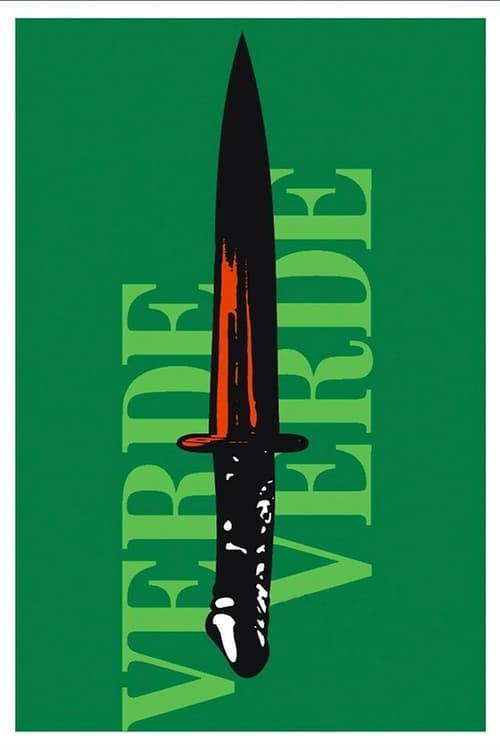
Verde verde is a significant progressive work that uses high-art cinematic language to challenge conventional social hierarchies in Cuba. By centering queer experiences and critiquing machismo, it disrupts traditional frameworks of its time. The film's strength lies in its sophisticated critique of machismo, portraying masculinity as vulnerable and complex. It draws stylistic inspiration from provocative works like those of Fassbinder and Genet, allowing for a nuanced exploration of identity within a restrictive socio-political landscape. While the film excels in gender and queer representation, it lacks explicit detail regarding racial intersectionality. The focus remains primarily on class, sexual identity, and the tension between individual desire and systemic fear.
Category Breakdown
The film stands out in Cuban cinema by focusing on a gay-themed narrative. It delves into the complexities of same-sex attraction and the tension between desire and homophobia.
The story criticizes machismo by showing male interactions as complicated and potentially dangerous. Masculinity is portrayed as a site of vulnerability and confusion rather than traditional strength.
The setting highlights the socio-economic realities of the Cuban working class in Havana. However, specific racial dynamics are not explicitly detailed in the narrative.
The film critiques prevailing social attitudes by exploring subjective morality and ambiguous actions. It emphasizes personal identity over state or religious conformity within a tense atmosphere.
There is no information about the portrayal of physical or neurodivergent disabilities in the film.
Present on Screen
Limited or Absent
Official Synopsis
The first gay-themed film produced in Cuba by the Institute of Cinema since Strawberry & Chocolate in 1993. The theme, however, is the same as in Guttiérerez and Tabìo's film: homophobia, machismo and fear. The fatal attraction between Alfredo, a doctor in the merchant navy, and handsome Carlos starts in a rundown Havana bar and ends at the sailor's house. But Alfredo's flirting and seducing of Carlos immediately turns into something complicated, ambiguous, dangerous. In a claustrophobic, tense atmosphere, their bodies are powerfully attracted, and the words, though violent, intensify the level of sensuality. Does each man kill the thing he loves? Evoking dreamlike atmospheres and characters, 80-year-old veteran director Enrique Pineda Barnet openly references Fassbinder's Querelle and Jean Genet. Quite controversial in its approach, the films demonstrates the milder attitude of Raul Castro's regime towards Cuba's LGBT Community.
1993

2013
2020
2016
1981

2000
1973

2005
No reviews yet. Be the first to share your thoughts on this movie!
Use the rating form above to leave a star rating and optional review.