
Last Gasp
1995
No user ratings available yet
Representation score: 2.4 out of 10
Representation Score
Fair
1994
Director
Eric Stanze
Runtime
71 minutes
Average Rating
No ratings yetNew Showbiz Analysis
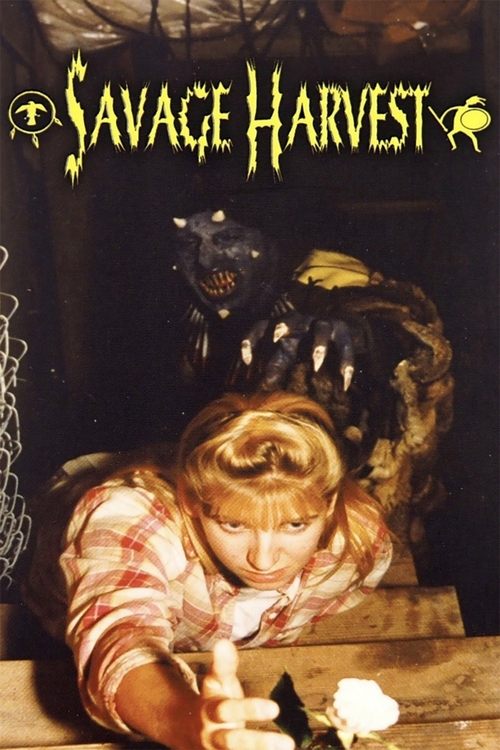
Savage Harvest stands out by centering Indigenous history within the horror genre. Using the Trail of Tears as a narrative foundation, the film moves beyond including someone from a minority group without giving them real depth to explore systemic oppression through a supernatural lens. However, the film lacks breadth in other areas of identity. The focus on patriarchal lineage leaves little room for exploring diverse gender dynamics. Ultimately, the work provides a specialized exploration of cultural trauma while remaining traditional in its gender and LGBTQ+ representation.
Category Breakdown
The film focuses on historical trauma and supernatural horror. There are no LGBTQ+ characters or queer dynamics in the narrative.
The plot centers on ancestral lineage through a Cherokee elder and his descendant. However, the gender distribution among the six victims remains unspecified.
The story centers on the Trail of Tears and the survival of the Cherokee people. It uses supernatural elements to explore the historical trauma faced by Indigenous communities.
The film uses an anti-colonial lens to frame its horror. It connects demonic possession to the systemic violence of Western expansion.
There is no mention of characters with visible or invisible disabilities. No such representation is used as a plot device.
Present on Screen
Limited or Absent
Official Synopsis
The agony and death of the Trail of Tears. A Cherokee elder, desperate to aid his people. Demons bursting into our world to destroy the entire tribe. And a great flood that washes the evil up into our modern world. The demons await the smell of the returning Cherokee's blood and soon sense the arrival of the elder's descendent. This triggers the demons' ability to possess human beings. The land that was once inhabited by the Cherokee tribe now traps six innocent victims who must unlock the riddles left behind by the Cherokee elder. Demonic possession consumes one victim after another as showers of blood drench the earth and shrieks of pain echo throughout the forest. The possessed are animalistic, frenzied killing machines, feeding on the warm meat of fresh kills. In the darkened fields, only bloodshed, violence, and terror grow now - and tonight the harvest begins.
1995

1985
2011
1971
1991
1980

2017
1988
No reviews yet. Be the first to share your thoughts on this movie!
Use the rating form above to leave a star rating and optional review.