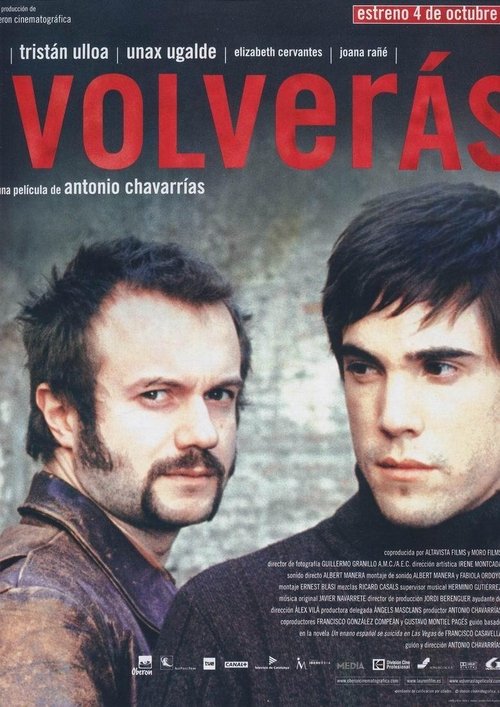
Volverás
2002
No user ratings available yet
Representation score: 5.5 out of 10
Representation Score
Limited
2003
Director
Enrique Urbizu
Runtime
127 minutes
Average Rating
No ratings yetNew Showbiz Analysis
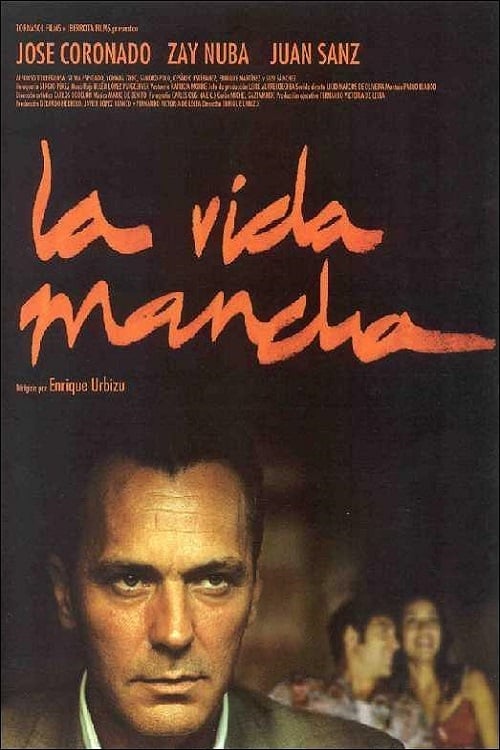
La vida mancha is a gritty neo-noir that prioritizes atmospheric tension and moral ambiguity over demographic diversity. The film focuses on fatalism, emphasizing male-driven conflict and the breakdown of traditional structures. While it successfully critiques institutional stability and traditional authority, it remains a conventional genre piece. The narrative centers on a localized, working-class realism without disrupting standard social or racial norms.
Category Breakdown
The film does not include any LGBTQ+ characters or non-cisgender identities. It follows a traditional gender-binary framework.
The story emphasizes masculine roles and conflicts driven by men. Although Juana provides stability, the film upholds a traditional, rugged masculinity.
The cast is fairly uniform, reflecting the specific Spanish setting. There is no indication of significant racial mixing or diverse casting.
The film offers a sophisticated look at institutional stability and traditional authority. It uses moral relativism to challenge the idea of a single, objective morality.
The story delves into psychological struggles through addiction but does not represent visible or invisible disabilities. It focuses on the behavioral impacts rather than identity markers.
Present on Screen
Limited or Absent
Official Synopsis
Fito (Juan Sanz) is a poker addict truck driver and labor problems that his wife Juana (Zay Nuba) tries to overcome. A day will come Pedro (Jose Coronado), the brother Fito, absent from his life for 13 years.
2002

2015

2009

2006

1998
2003
1995

2012
No reviews yet. Be the first to share your thoughts on this movie!
Use the rating form above to leave a star rating and optional review.