
Born in Gaza
2014
No user ratings available yet
Representation score: 8.6 out of 10
Representation Score
Good
2025
Director
Hilla Medalia
Runtime
30 minutes
Average Rating
No ratings yetNew Showbiz Analysis
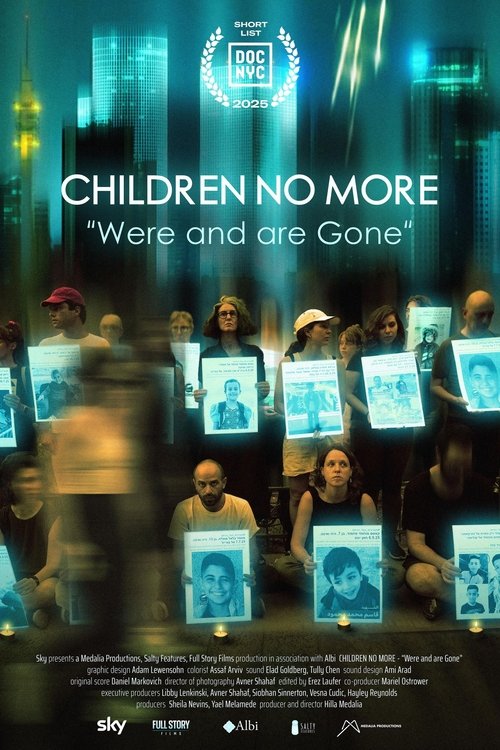
Children No More: Were and Are Gone is a documentary that deconstructs conventional geopolitical narratives through the lens of humanitarian activism. It critiques state power and traditional nationalist structures by highlighting human-centric morality. The film's main strength lies in its cultural representation, which humanizes 'the other' and challenges established institutional power. It effectively disrupts monolithic views of regional identity by emphasizing shared human vulnerability. However, the documentary lacks specific demographic data about the activists. Without clear evidence of gender-based representation or LGBTQ+ identities, the film's diversity remains more thematic than explicitly demographic.
Category Breakdown
The film touches on themes related to human rights and peace activism, which often connect with LGBTQ+ advocacy. However, there is no clear depiction of characters with diverse gender identities or specific details about their sexual orientations.
The documentary highlights activists and demonstrators involved in humanitarian causes. While women frequently lead non-violent resistance movements, the film does not provide detailed character studies to confirm their roles.
By focusing on the lives of children in Gaza alongside activists in Tel Aviv, the film challenges simplistic views of regional identity. It underscores shared human vulnerability across ethnic boundaries.
The film delves into anti-war sentiments and critiques institutional power. By emphasizing silent vigils, it prioritizes human-centric morality over nationalist narratives.
There is no indication that neurodivergence or physical disabilities play central roles or feature prominently in the documentary.
Present on Screen
Limited or Absent
Official Synopsis
In Tel Aviv, activists gather weekly to demonstrate their opposition to the war in Gaza with a silent vigil for the children killed in Israeli attacks.
2014
2011
2019
2024
2004
2015
2015
2023
No reviews yet. Be the first to share your thoughts on this movie!
Use the rating form above to leave a star rating and optional review.