Israel and Gaza: Into the Abyss
2024
No user ratings available yet
Representation score: 9.1 out of 10
Representation Score
Limited
2026
Director
Yuval Abraham, Rachel Szor
Runtime
77 minutes
Average Rating
No ratings yetNew Showbiz Analysis
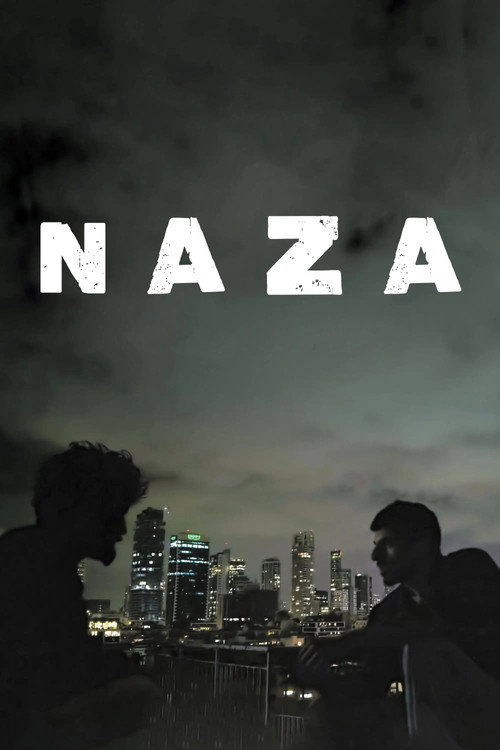
NAZA opens on the rooftops of Tel Aviv at night, where the city’s skyline serves as a backdrop to secret conversations that dismantle the myth of accidental civilian casualties. The film’s argument is stark: Israel’s military did not merely fail to protect Palestinian civilians in Gaza, but designed a system to kill them. By using anonymized insiders, the documentary strips away the personal faces of the state, making the institution itself the antagonist. The camera does not sympathize with the individual soldier’s dilemma; it focuses on the bureaucratic machinery of death. The sold meaning is clear: the state is the villain, and its citizens are complicit in a calculated genocide. The film rejects the traditional Western liberal framing of "collateral damage" as an unfortunate byproduct, instead presenting it as a strategic objective. The contradiction lies in the anonymity of the speakers; while the voices are hidden, the system they describe is fully exposed. The ending does not offer a path to reconciliation or a nuanced view of Israeli society, but a moral verdict on the state’s actions. In the context of 2026, where the Gaza war remains a central geopolitical conflict, NAZA positions itself as a definitive account of state intent. It does not seek to balance perspectives but to reveal the hidden logic of mass killing. The film’s power lies in its specificity: it names the systems, the decisions, and the outcomes. The last image is not a call for peace, but a demand for accountability. The camera loves the truth, even when it is ugly, and leaves the viewer with the weight of complicity.
Category Breakdown
Absent. The 24 anonymized interviews focus exclusively on military operations and strategic decisions; no characters disclose sexual orientation or gender identity.
Absent. The documentary features no on-screen individuals, only voices; gender dynamics are not depicted or discussed within the available evidence.
Present. The film centers Palestinian civilians as the primary victims of state violence, with Israeli insiders providing the analytical framework. The camera treats Palestinian life as the moral stake and Israeli policy as the mechanism of harm.
Present. The documentary frames Israeli state institutions and military hierarchy as the source of calculated mass killing, rejecting national narratives of self-defense. The last image is a verdict on state legitimacy, positioning the system as the villain.
Absent. No disabled characters or impairment-related themes are mentioned in the synopsis, credits, or available plot details.
Present on Screen
Limited or Absent
Official Synopsis
Filmed at night from Tel Aviv rooftops, this investigative documentary examines the civilian casualties of Israel's military operations in Gaza and the systems behind targeted killings of Palestinians.
2024
2012
2014

2024

2019
2011

2008
2023
No reviews yet. Be the first to share your thoughts on this movie!
Use the rating form above to leave a star rating and optional review.