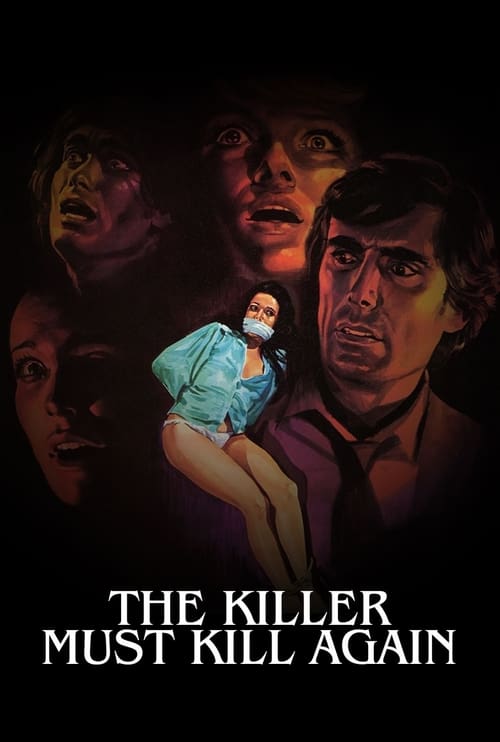
The Killer Must Kill Again
1975
No user ratings available yet
Representation score: 0.3 out of 10
Representation Score
Fair
1973
Director
Eloy de la Iglesia
Runtime
92 minutes
Average Rating
No ratings yetNew Showbiz Analysis
Eloy de la Iglesia uses his reputation for cinematic transgression to challenge social and sexual hierarchies. By centering on a woman's active complicity in crime rather than her victimization, the film moves away from traditionalist structures. While the film excels at subverting gendered ability to act and moral certainties, it remains limited by the demographic homogeneity of its era. The lack of racial diversity and specific information on disability prevents a higher score. Ultimately, the work is a study in moral relativism, replacing standard social order with a complex, criminal bond that defies conventional societal expectations.
Category Breakdown
The film explores a relationship formed under criminal circumstances, which deviates from traditional romantic clichés and highlights unconventional interpersonal dynamics.
Elisa breaks the helpless bystander stereotype by actively participating in a murder conspiracy, driving the plot forward and challenging traditional gender roles.
The film lacks diversity in its cast, reflecting the demographic homogeneity typical of 1973 Spain, with no evident effort to include diverse ethnic backgrounds.
The story critiques conventional societal stability and authority by depicting a criminal partnership that challenges the sanctity of the nuclear family and traditional institutions.
There is no information available regarding the depiction of physical or neurodivergent disabilities in this film.
Present on Screen
Limited or Absent
Official Synopsis
Elisa witnesses her neighbor, Miguel, dump his wife's corpse into an elevator shaft and is forced to be his prime accomplice to get rid of the body. The situation slowly spirals as a relationship forms between them, followed by the unforeseen return of Elisa's current lover.
1975
1963
1986
1971

2007
1949

1989
1971
No reviews yet. Be the first to share your thoughts on this movie!
Use the rating form above to leave a star rating and optional review.