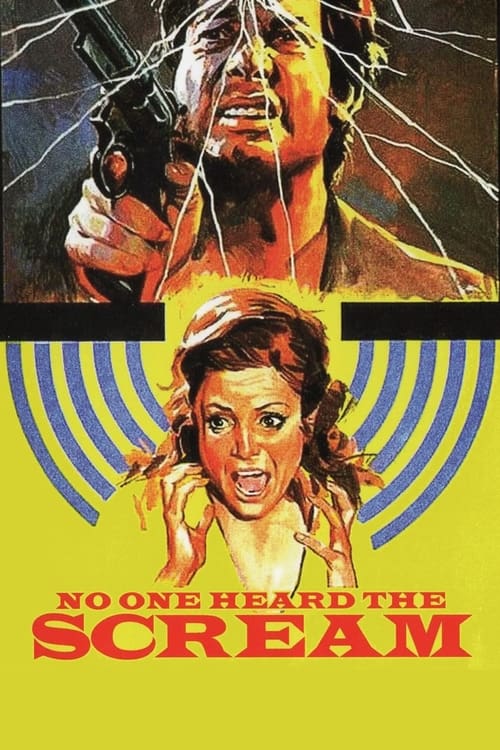
No One Heard the Scream
1973
No user ratings available yet
Diversity score: 5.1 out of 10
1975
Not RatedDirector
Luigi Cozzi
Runtime
90 minutes
Average Rating
No ratings yetSynopsis
Giorgio is a greedy adulterer who makes a deal with a serial killer to dispose of his wealthy wife, Nora. Unfortunately, a thrill-seeking young couple steal the killer's car with Nora's corpse in the trunk, ending up at a run-down seaside villa.
Overall Score
Minimal
Category Breakdown
LGBTQ+ Representation
The film lacks any discernible presence of LGBTQ+ characters. It adheres to conventional 1970s sexual dynamics, focusing on traditional heterosexual pairings.
Gender Representation
Female characters are primarily positioned as victims or damsels in distress. The narrative utilizes sexual violence as a plot device, reinforcing patriarchal power dynamics.
Racial & Ethnic Diversity
The cast is relatively homogeneous, typical of mid-70s European genre productions. There is no evidence of intentional racial blending or diverse ethnicities.
Religious & Cultural Diversity
The film operates within a framework of traditional morality and genre tropes. It lacks any significant critique of Western or secularist institutions.
Disability Representation
There is no evidence of characters with visible or invisible disabilities. The narrative does not engage with neurodivergence or physical disability.
Strengths
Areas for Improvement
AI Analysis
Luigi Cozzi’s thriller is a quintessential product of the 1970s exploitation era, prioritizing suspense and genre tropes over social commentary. The narrative architecture relies heavily on established power imbalances and traditional character archetypes rather than representative depth. The film reinforces regressive hierarchies, particularly regarding gender, by centering male aggression and utilizing sexual violence as a plot device. It functions as a standard crime/horror thriller without attempting to disrupt or deconstruct conventional social structures. Ultimately, the work lacks the intentionality required to challenge the status quo, instead mirroring the homogeneous and traditional cinematic conventions of its time.
No reviews yet. Be the first to share your thoughts on this movie!
Use the rating form above to leave a star rating and optional review.