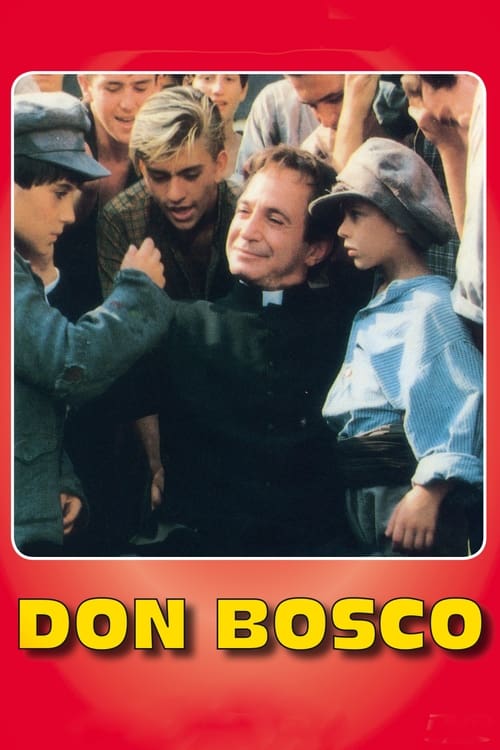
Don Bosco
1988
No user ratings available yet
Representation score: 2.6 out of 10
Representation Score
Limited
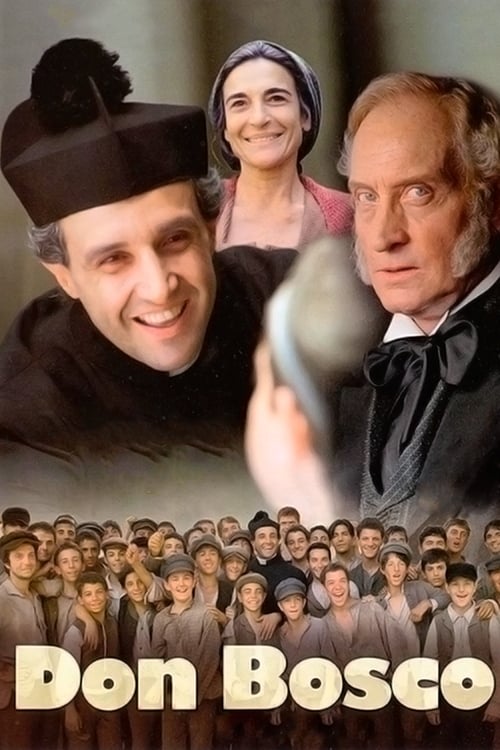
2004
PGDirector
Lodovico Gasparini
Runtime
196 minutes
Average Rating
No ratings yetNew Showbiz Analysis
Saint John Bosco Mission to Love is a traditional historical biopic that prioritizes moral clarity and hagiography. The narrative structure upholds classical religious frameworks and the sanctity of the Catholic Church. The film focuses on the life of a male religious figure, limiting the exploration of gender and identity beyond the binary. It reinforces established social hierarchies without challenging them. Ultimately, the production serves a specific devotional purpose, offering a narrow view of nineteenth-century Italy through a lens of religious vocation and social order.
Category Breakdown
The film is set in a nineteenth-century religious context that emphasizes celibacy. It reinforces traditional religious structures without exploring gender identities beyond the binary.
The story centers around the male protagonist, Don Bosco, who plays a significant role in driving the narrative. His leadership is portrayed through a patriarchal lens, highlighting his struggle against established social hierarchies.
The film is set in nineteenth-century Piedmont and focuses on the socio-economic struggles of its characters. The story does not explore racial or ethnic diversity but instead highlights class and poverty.
The movie is deeply rooted in Catholic traditions and Christian morality. It portrays the protagonist's mission as a triumph of faith within a traditional cultural framework.
The film depicts underrepresented children in social distress but does not explicitly represent disability. Characters are shown primarily as recipients of charity rather than individuals with ability to act.
Present on Screen
Limited or Absent
Official Synopsis
Piedmont (Italy), nineteenth century. In Turin, the priest Don Bosco, a man from a humble farming family, he gave himself totally and passionately to the task of collecting from the streets to marginalized children and care for them. Not only out of poverty, ignorance and social distress, but it got for the first time, to feel loved. He fought with extraordinary faith and tenacity to overcome obstacles and snares that both the civilian and ecclesiastical authorities, they put in their path to prevent him from completing his goal: the founding of the Congregation of the Salesians, which would guarantee the future of their children .
1988

2024
2010

2003

2024

2007

1954

2007
No reviews yet. Be the first to share your thoughts on this movie!
Use the rating form above to leave a star rating and optional review.