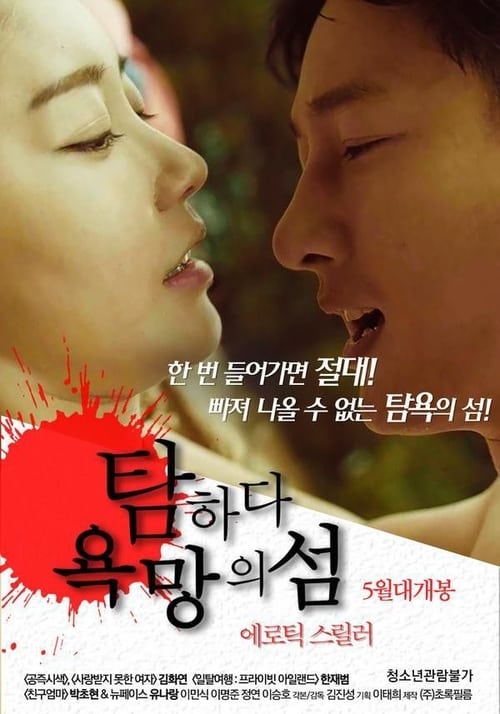
Covet: Island of Desire
2017
No user ratings available yet
Representation score: 1.8 out of 10

Representation Score
Limited
2016
Director
Park Bum-soo
Runtime
58 minutes
Average Rating
No ratings yetNew Showbiz Analysis
Park Bum-soo’s film is a minimalist character study that emphasizes a localized realist perspective. It adheres to traditional narrative structures, focusing on interpersonal conflicts rather than challenging societal norms. The film does not intentionally address multiple aspects of identity or disrupt social hierarchies. While it provides a specific cultural lens, it remains firmly within conventional social and gender dynamics. Overall, the work presents a closed ecosystem of human suffering, offering limited engagement with broader social or identity-based diversity.
Category Breakdown
The film does not include LGBTQ+ characters or explore non-straight relationships. The main conflicts center around traditional romantic dynamics without any queer themes.
Female characters demonstrate strong emotional responses to loss, but they are mostly defined by their relationships to men. The male lead perpetuates harmful masculine stereotypes through physical strength and aggression.
The cast is predominantly of one ethnicity, reflecting a specific South Korean setting. It serves as a focused cultural study without blending diverse backgrounds.
The storyline centers on isolation and human suffering within a closed environment. It avoids criticizing religion or capitalism, choosing a minimalistic approach to tragedy.
There is no depiction of physical or cognitive disabilities. Psychological issues are used mainly to drive the plot towards tragedy, rather than exploring mental health in depth.
Present on Screen
Limited or Absent
Official Synopsis
A man who protects the island and his woman, Soo-hee, live on a remote island that is nothing more than an uninhabited island. And Bok-soon, who lost her mind after being abandoned by the man she loved. This is an island where only three people live, even if they die. Then one day, a photographer who seems to be holding something secret comes to the island. However, the man who guards the island misunderstands the visitor and kills him because of it. Bok-soon, who loved the dead photographer, commits suicide upon seeing the photographer's death. A man who has gone mad after killing someone hears a story from Soo-hee, who lives with him, and only later finds out all the secrets...
2017
2000

2016
1999
2019
2009
2020
1998
No reviews yet. Be the first to share your thoughts on this movie!
Use the rating form above to leave a star rating and optional review.