
The Hunchback
2016
No user ratings available yet
Representation score: 8.7 out of 10
Representation Score
Excellent
2016
PG-13Director
Santiago Dellape
Runtime
100 minutes
Average Rating
No ratings yetNew Showbiz Analysis
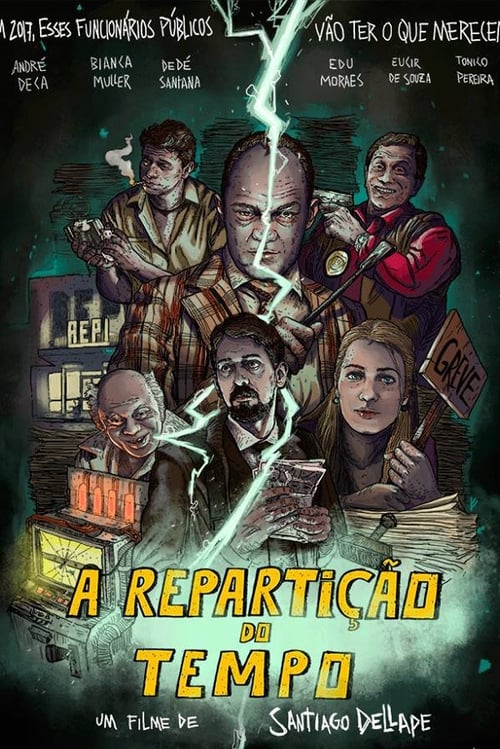
Punch the Clock uses the science fiction genre to critique institutional power and capitalist exploitation. By setting the story in a Brazilian bureaucratic environment, the film avoids the typical Western-centric casting, providing a more global perspective on labor and authority. However, the film's focus on systemic issues sometimes overshadows individual character development. While the subversion of traditional leadership roles offers social commentary, the lack of explicit visibility for LGBTQ+ identities and characters with disabilities limits the film's inclusivity. Ultimately, the film excels at shifting the narrative center away from North American norms, even if it doesn’t fully address the needs of underrepresented groups within the workforce.
Category Breakdown
The film centers on bureaucratic power dynamics rather than specific LGBTQ+ identities. While the story challenges social hierarchies, it doesn't explicitly show same-sex relationships or characters who don't identify with their assigned gender at birth.
The narrative breaks down traditional patriarchal roles by showing the boss as chaotic and ineffective. This portrayal contrasts with the usual image of stable masculine leadership.
Set within a Brazilian bureaucracy, the film highlights a diverse, non-Western cast that reflects a more globalized workforce. The setting allows for a mix of different backgrounds and identities.
The story critiques systemic oppression and productivity-obsessed capitalism. It uses science fiction to highlight the dehumanizing nature of institutionalized exploitation and corporate structures.
There are no characters with visible or invisible disabilities in the film. The narrative focuses on the antagonist's psychological state and the employees' social status rather than disability-specific storylines.
Present on Screen
Limited or Absent
Official Synopsis
In a forgotten corner of the vast Brazilian bureaucracy, a psychotic boss uses a time machine to enslave his lazy employees and increase productivity.
2016
1973
2022
2020
2011

2018

2005
2015
No reviews yet. Be the first to share your thoughts on this movie!
Use the rating form above to leave a star rating and optional review.