
The Dragon Lives
1976
No user ratings available yet
Representation score: 2.1 out of 10
Representation Score
Limited
1974
Director
Ti Shih
Runtime
89 minutes
Average Rating
No ratings yetNew Showbiz Analysis
SuperDragon: The Bruce Lee Story functions as a genre-driven biopic that prioritizes martial arts spectacle over social critique. While it succeeds in centering an Asian icon, the narrative remains rooted in traditional structures. The film relies heavily on individualist heroism and conventional gender roles, celebrating the physical prowess of its protagonist but lacking the depth to engage with diverse identities or systemic power dynamics. Ultimately, the work serves as a celebration of a cultural hero rather than a tool for social deconstruction, adhering to the standard biographical clichés of 1970s action cinema.
Category Breakdown
The story follows a romantic arc centered on the protagonist and Betty Ting-Pei, with no depiction of non-traditional gender identities or same-sex relationships.
The film emphasizes masculine physical dominance and the martial arts archetype. Female characters, such as Betty Ting-Pei, are primarily defined by their romantic connections to the male lead.
The narrative centers on a Chinese protagonist and a predominantly Asian cast, prioritizing non-Western perspectives through the lens of a Chinese cultural icon.
The film explores individual struggle and the pursuit of excellence. It follows traditional biographical clichés without overtly challenging Western institutions or social frameworks.
There is no evidence of characters with visible or invisible disabilities serving as central plot elements or being subjected to specific clichés.
Present on Screen
Limited or Absent
Official Synopsis
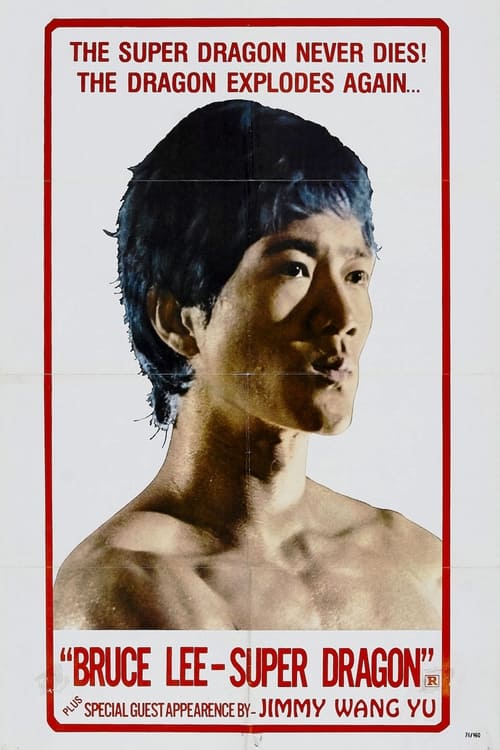
Considered the first biopic of the legendary Bruce Lee, fact blurs with fiction in this low-budget, loose interpretation of the great martial arts expert's life starring Bruce Li, the most well known Lee impersonator. The film takes a look at Bruce's humble beginnings as a paperboy to his rise in fame as a martial arts phenom, who later gets tangled up in a love affair with actress Betty Ting-Pei.
1976
2004

2010
2000
2009
1976
1976
1993
No reviews yet. Be the first to share your thoughts on this movie!
Use the rating form above to leave a star rating and optional review.