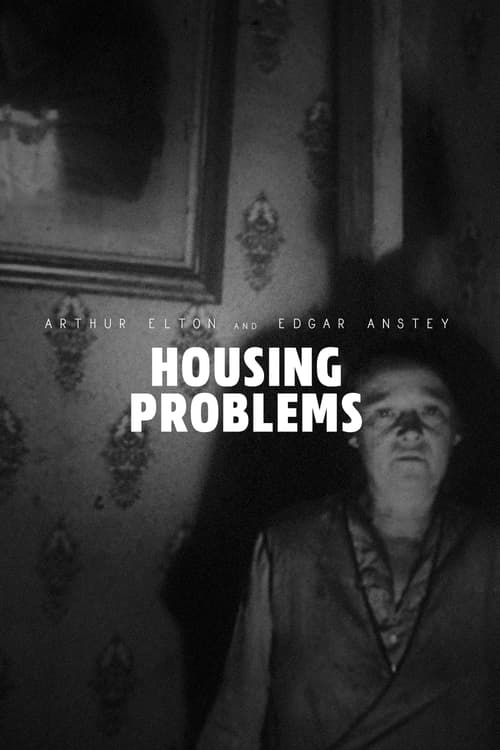
Housing Problems
1935
No user ratings available yet
Representation score: 3.1 out of 10
Representation Score
Good
1941
Director
Irving Lerner
Runtime
17 minutes
Average Rating
No ratings yetNew Showbiz Analysis
Irving Lerner’s documentary offers a realistic look at social issues in mid-century America, challenging narratives of domestic prosperity. By focusing on the lives of those in Philadelphia's slums, the film highlights systemic failures rather than individual morality. The film successfully provides a platform for underrepresented communities, using visual evidence to critique urban decay. It effectively frames poverty as an institutional issue rather than a personal problem. However, the film lacks specific representation of LGBTQ+ identities and does not delve into the roles of women or individuals with disabilities.
Category Breakdown
The film does not include any characters or stories related to LGBTQ+ identities. Instead, it focuses on socio-economic conditions.
Though there are no detailed female character arcs, the film explores the impact of poverty on the home environment. It challenges the idea of stability by showing how systemic poverty can break down family life.
The film centers on Philadelphia's impoverished neighborhoods, highlighting underrepresented ethnic communities. It presents visual evidence that challenges the era's sanitized portrayal of minority experiences.
The story criticizes the failure of urban institutions and capitalism to provide dignity. It portrays squalor as a result of systemic issues rather than personal shortcomings.
There is no explicit mention of physical or neurodivergent themes. However, the documentary captures the psychological impact and trauma resulting from harsh living conditions.
Present on Screen
Limited or Absent
Official Synopsis
Inner city squalor in Philadelphia, Pennsylvania is the subject of this documentary, which focuses on a child returning from school to his home, a cramped and squalid apartment in a rat-infested slum neighborhood.
1935

2000

1948

1927
1939

2004

1930
1967
No reviews yet. Be the first to share your thoughts on this movie!
Use the rating form above to leave a star rating and optional review.