The Family
2017
No user ratings available yet
Representation score: 2.5 out of 10
Representation Score
Fair
2016
Director
Jan P. Matuszyński
Runtime
124 minutes
Average Rating
No ratings yetNew Showbiz Analysis
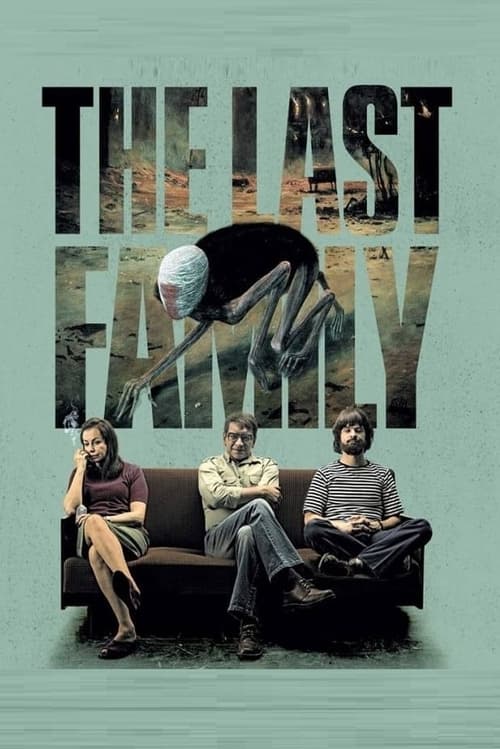
The Last Family is a deeply personal historical drama that emphasizes psychological realism over modern identity politics. It captures a specific moment in Polish history, limiting its demographic range due to its historical focus. Though the film lacks intentional diversity in terms of race and sexual orientation, it offers a nuanced, non-stereotypical view of mental health and gender dynamics. It avoids simplistic clichés, opting for a raw depiction of family dysfunction. Ultimately, the film's limited diversity is a result of its commitment to historical accuracy and its focus on a specific, homogeneous social class, rather than an effort to challenge societal norms.
Category Breakdown
The film centers on the heterosexual Beksiński family. There are no representations of LGBTQ+ identities or non-cisgender individuals.
Zofia is shown as a strong, stabilizing figure rather than a submissive character. Masculinity is explored through neurosis and artistic passion rather than traditional roles.
The cast is uniform, representing the white, Polish intellectual class of mid-20th century Poland. The film stays true to its historical context.
Polish Catholic traditions provide the backdrop for mourning and unity. The film examines the sanctity of family while questioning idealized domestic life.
Tomasz’s psychological issues are depicted with sensitivity and ability to act. The film avoids inspirational stories, focusing on the emotional impact of mental health issues.
Present on Screen
Limited or Absent
Official Synopsis
Beksiński is a gentle man with arachnophobia, despite his hardcore sexual fantasies and his fondness for painting disturbing dystopian works. Beksiński is a family man who wants only the best for his loving wife Zofia, neurotic son Tomasz and the couple's aging mothers. His daily painting to classical music eventually pays off and he makes a name for himself in contemporary art. Good Catholic woman Zofia tries to hold the family together, but troubled son Tomasz proves to be a handful with his violent outbursts and suicidal threats. Their relief is brief when he starts dating women and becomes a radio presenter and movie translator, and the concerned parents must be on constant watch to prevent their son from hurting himself. But Beksiński never believed that family life would always be sunshine and rainbows. As he tapes everything with his beloved camcorder, the 28-year Beksiński saga unfolds through paintings, near-death experiences, dance music trends and funerals...
2017
1999
1971

2011
2000
2001
2012
2011
No reviews yet. Be the first to share your thoughts on this movie!
Use the rating form above to leave a star rating and optional review.