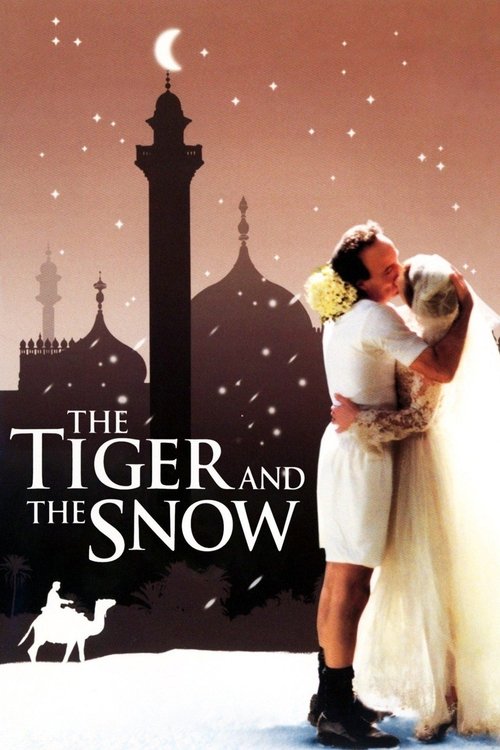
The Tiger and the Snow
2005
No user ratings available yet
Diversity score: 4.7 out of 10
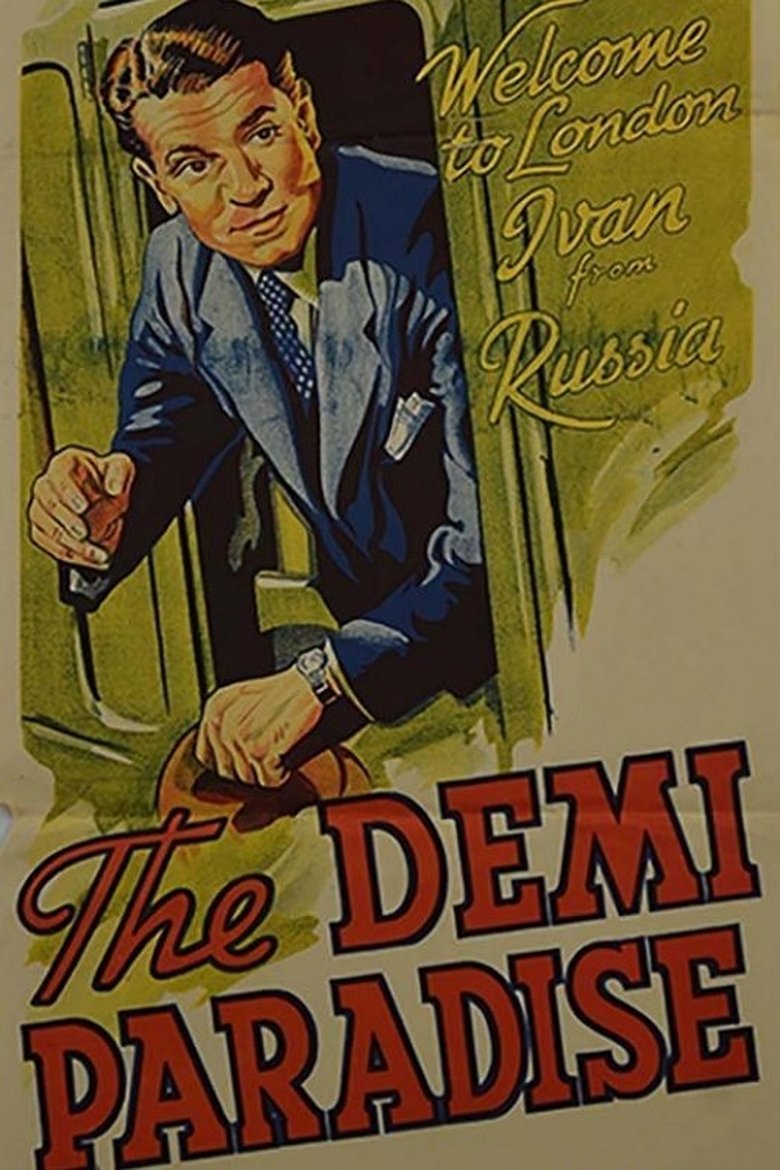
1943
Runtime
114 minutes
Average Rating
No ratings yetSynopsis
Ivan Kouznetsoff, a Russian engineer, recounts during World War II his stay in England prior to the war working on a new propeller for ice-breaking ships. Naïve about British people and convinced by hearsay that they are shallow and hypocritical, Ivan is both bemused and amused by them. He is blunt in his opinions about Britons and at first this puts off his hosts, including the lovely Ann Tisdall, whose grandfather runs the shipbuilding firm that will make use of Ivan's propeller. The longer Ivan stays, however, the more he comes to understand the humor, warmth, strength, and conviction of the British people, and the more they come to see him as a friend rather than merely a suspicious Russian. As a romantic bond grows between Ivan and Ann, a cultural bond begins to grow as well, particularly as the war begins and Russia is attacked by Germany.
Overall Score
Good
Category Breakdown
LGBTQ+ Representation
The film explores non-traditional romantic arrangements through a triangular dynamic. While it lacks explicit LGBTQ+ identities, it disrupts standard monogamous tropes by emphasizing fluid desire over social propriety.
Gender Representation
Women in the film possess significant agency and autonomy. Rather than acting as passive subjects, female characters navigate complex emotional lives and decision-making processes that challenge typical mid-century submissive femininity.
Racial & Ethnic Diversity
The casting of Merle Oberon, an actress of Indian descent, in a leading European role provides a layer of racial complexity. This choice disrupts the era's standard for homogeneous, white-centric casting.
Religious & Cultural Diversity
The narrative deconstructs rigid Western moralism by framing personal pleasure as a valid pursuit. However, the setting remains centered within the upper-class European elite and traditional social structures.
Disability Representation
There is no evidence of visible or invisible disabilities being portrayed in the narrative.
Strengths
Areas for Improvement
AI Analysis
The film stands out for its sophisticated approach to character agency and social nuance. It successfully subverts mid-century gender hierarchies by centering female autonomy and uses casting to challenge the racial homogeneity typical of 1940s cinema. However, the film remains limited by its socioeconomic scope. The focus on upper-class European life and the lack of explicit LGBTQ+ representation prevent a higher diversity score. Ultimately, the work functions as a nuanced study of identity and morality, using unconventional romantic structures to critique traditional social expectations.
2005
1946
1974
1945
1964
No reviews yet. Be the first to share your thoughts on this movie!
Use the rating form above to leave a star rating and optional review.