
These Foolish Things
2006
No user ratings available yet
Representation score: 2.8 out of 10
Representation Score
Good
2005
Director
Roberto Benigni
Runtime
114 minutes
Average Rating
No ratings yetNew Showbiz Analysis
The film navigates a blend of classical romantic structures with a more global perspective. It successfully avoids a purely Western viewpoint by using a Middle Eastern setting and emphasizing emotional intelligence over institutional dogma. However, the narrative remains tied to traditional formulas. The romantic storyline adheres strictly to straight-centered clichés, and the portrayal of disability primarily serves to advance the male protagonist's journey toward heroism. Overall, the film is intellectually engaging and avoids harmful stereotypes, but it falls short of embracing the more contemporary, multi-layered frameworks seen in modern cinema.
Category Breakdown
The story focuses on a heterosexual relationship between Attilio and Vittoria. There are no representations of same-sex intimacy or non-cisgender identities.
Vittoria plays a significant role in navigating high-stakes geopolitical environments during the Iraq War. The film subtly challenges traditional hierarchies by placing women in active, intellectual roles instead of domestic ones.
By focusing on a Middle Eastern conflict zone, the film disrupts a purely Eurocentric perspective. Characters like Fuad offer diverse viewpoints through roles that emphasize intellectual significance.
The narrative emphasizes a poetic connection and secular humanism over strict religious or nationalist doctrines. It presents systemic conflict as a disruption to personal truth and human connections.
Vittoria’s physical injury serves as the main catalyst for the plot. While the film delves into the medical complexities of her trauma, it does not explore long-term disability ability to act in depth.
Present on Screen
Limited or Absent
Official Synopsis
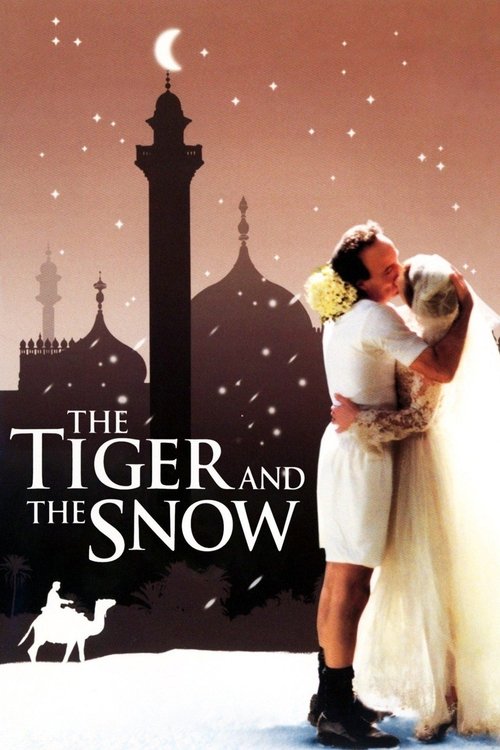
Love and injury in time of war. Attilio de Giovanni teaches poetry in Italy. He has a romantic soul, and women love him. But he is in love with Vittoria, and the love is unrequited. Every night he dreams of marrying her, in his boxer shorts and t-shirt, as Tom Waits sings. Vittoria travels to Iraq with her friend, Fuad, a poet; they are there with the second Gulf War breaks out. Vittoria is injured. Attilio must get to her side, and then, as war rages around him, he must find her the medical care she needs. In war, does love conquer all?
2006
2016
2001

1991
1964
1958

2001
2007
No reviews yet. Be the first to share your thoughts on this movie!
Use the rating form above to leave a star rating and optional review.