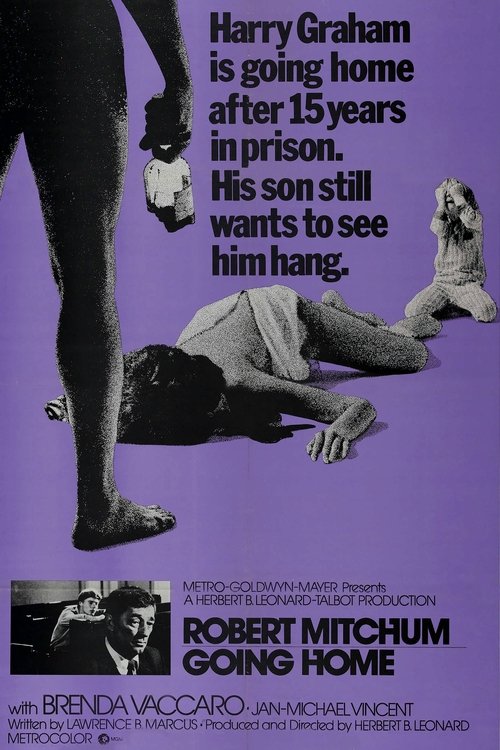
Going Home
1971
No user ratings available yet
Representation score: 2.5 out of 10
Representation Score
Limited
1971
GPDirector
J.D. Feigelson
Runtime
100 minutes
Average Rating
No ratings yetNew Showbiz Analysis
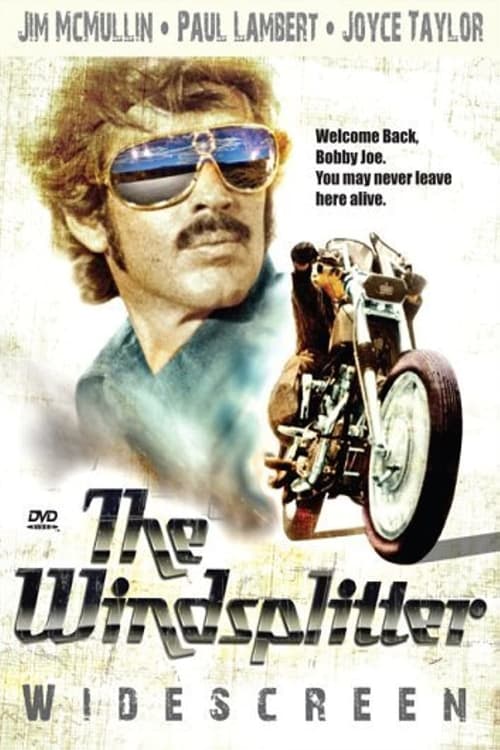
The Windsplitter disrupts the traditional prodigal son story by exploring the clash between individual growth and rigid, judgmental small-town structures. The film's progressive value lies in its critique of institutional authority. It portrays the stable community as a source of systemic aggression, using the Reverend to represent the enforcement of moral conformity through violence. However, the film lacks demographic breadth. It does not provide diverse representation regarding race, disability, or LGBTQ+ identities, remaining centered on a traditional, homogeneous social framework.
Category Breakdown
The film does not feature any LGBTQ+ characters or stories about non-assuming gender matches what was assigned at birth identities. The main romance is a traditional relationship between Bobby Joe and Jenny.
Jenny plays a key role in driving the story, challenging the town's patriarchal order. Her choices create tension and move the narrative forward.
The story lacks any indication of a multi-ethnic cast. Character archetypes suggest a homogeneous Western social structure without visible racial diversity.
The film critiques religious dominance by portraying the Reverend as an oppressive antagonist. It favors moral relativism over the rigid, exclusionary morality of traditional community structures.
There is no evidence of characters with visible or invisible disabilities. The narrative does not include neurodivergent representation.
Present on Screen
Limited or Absent
Official Synopsis
Bobby Joe Smith returns to his home in a small town, having changed his name, his outlook on life, and gained a career as a Hollywood star. Bobby Joe finds a renewed love in Jenny Jenkins, his childhood sweetheart, whose father is the town reverend and who believes that Bobby Joe has returned as a corrupt and demoralized person. Jenny's father jealously wants no connections between Bobby and Jenny, and takes measures to keep Bobby Joe from attending any of the Homecoming activities by persuading some local boys to beat him up. This builds to a crashing climax which is utterly shocking and unexpected.
1971
1962

1965
1962
1969
1966
1970

1972
No reviews yet. Be the first to share your thoughts on this movie!
Use the rating form above to leave a star rating and optional review.