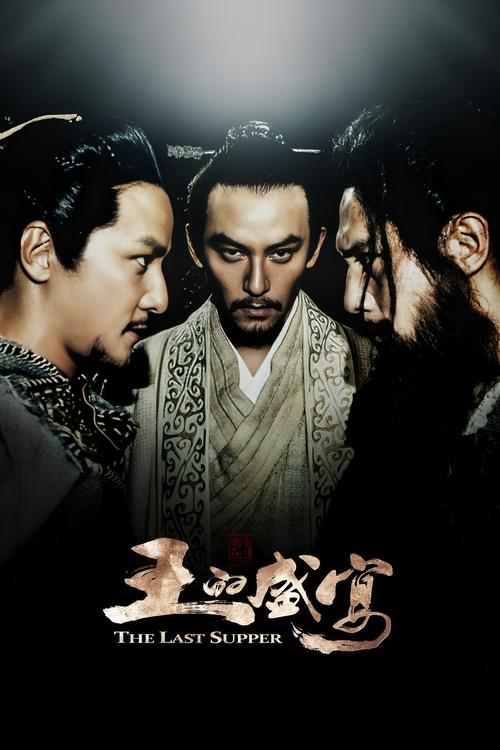
The Last Supper
2012
No user ratings available yet
Representation score: 7.4 out of 10

Representation Score
Limited
2020
Director
Zhang Mingguo, Zhang Zhe
Runtime
110 minutes
Average Rating
No ratings yetNew Showbiz Analysis
Fighting for the Motherland 1162 functions as a traditional historical epic centered on martial heroism and national identity. The plot follows Xin Qiji’s efforts to unify territory and resist the Jurchen Jin invasion, prioritizing classical nationalist themes over contemporary issues related to diversity. While the film offers a window into the ethnic tensions of the 12th century, it remains largely confined to traditional power structures. The focus on male leadership and state loyalty reinforces established social hierarchies rather than challenging them.
Category Breakdown
The film focuses on military mobilization and political persuasion. There is no evidence of LGBTQ+ identities or same-sex relationships.
The story centers on male-driven military leadership and political influence. It reinforces traditional hierarchies of masculine leadership typical of historical epics.
The narrative explores the friction between the Southern Song and Jurchen Jin identities. It provides a framework for examining ethnic tension and systemic oppression.
The film is rooted in traditionalist values of patriotism and loyalty. It prioritizes the preservation of the social order and the defense of the motherland.
The narrative contains no mention of characters with visible or invisible disabilities.
Present on Screen
Limited or Absent
Official Synopsis
In 1161, Wanyan Liang, emperor of the Jurchen Jin Dynasty, planned to invade the Southern Song Dynasty. Owing to the harsh recruitment policy and the Jin's cruelty, people in the Central Plain found it hard to live on. Xin Qiji, aged 21, rose up in arms with villagers to fight against the Jin army and then joined a more influential voluntary army led by Geng Jing, winning victory after victory. In 1162, aiming to expel invaders and recover the lost land to realize the reunification, Xin Qiji went to the south to persuade the Song Emperor to drive the Jurchens out of the north. Successfully accomplishing his mission, Xin Qiji only to find the commander Geng Jing was killed by a traitor and the army had lost morale. Facing with Wanyan Basu's army of 50,000 soldiers, what course would Xin Qiji and his 50 loyal subordinates follow?
2012

2017

2021
2013

2020

2010
1959
2008
No reviews yet. Be the first to share your thoughts on this movie!
Use the rating form above to leave a star rating and optional review.