Frankenstein Reborn
2005
No user ratings available yet
Representation score: 3.2 out of 10
Representation Score
Fair
2015
RDirector
Bernard Rose
Runtime
89 minutes
Average Rating
No ratings yetNew Showbiz Analysis
Bernard Rose's adaptation relocates the Frankenstein story from its traditional European setting to a contemporary Tokyo backdrop. This change offers a new, non-Western viewpoint on the themes of isolation and creation. However, the film's impact is constrained by its narrow focus on a single male perspective. The narrative remains centered around a man's obsessive viewpoint, limiting the exploration of diverse identities. While the film introduces a diverse cast and setting, the traditional portrayal of gender roles and the lack of LGBTQ+ representation hinder its potential for broader inclusivity.
Category Breakdown
The film does not include any LGBTQ+ characters or explore non-straight relationships. The main emotional focus is on a man's obsession with a dead woman.
The film follows traditional gender roles where women are portrayed as objects of scientific study rather than having their own choices.
The film stands out by using a primarily Japanese cast and setting it in Tokyo. This shifts the focus away from the usual Western settings and provides a fresh perspective.
The story focuses on a secular, technology-driven exploration of life, framing the protagonist's behavior as a reaction to personal loss and ethical dilemmas.
The monster in the film explores physical differences and non-verbal communication. However, the portrayal emphasizes existential dread over giving the monster more depth and ability to act.
Present on Screen
Limited or Absent
Official Synopsis
After he is artificially created, then left for dead by a husband-and-wife team of eccentric scientists, Adam is confronted with nothing but aggression and violence from the world around him. This perfect creation-turned disfigured monster must come to grips with the horrific nature of humanity.
2005
1957
1995
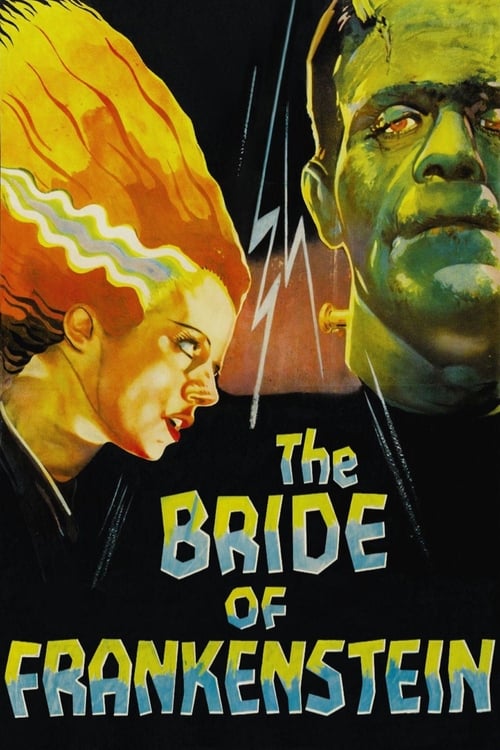
1935
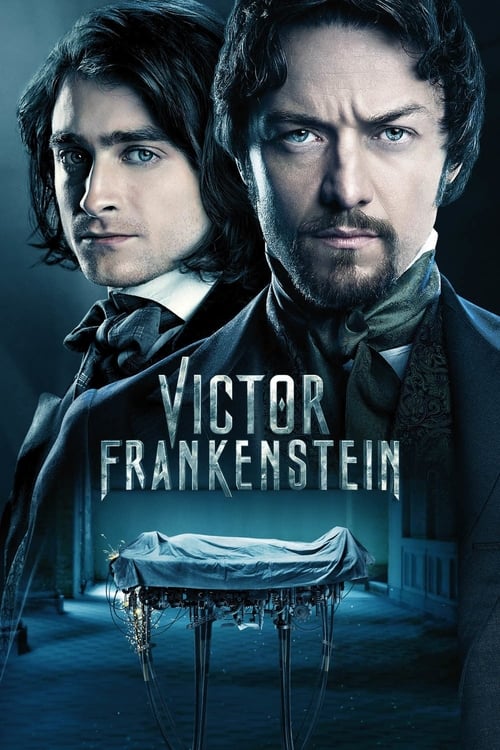
2015
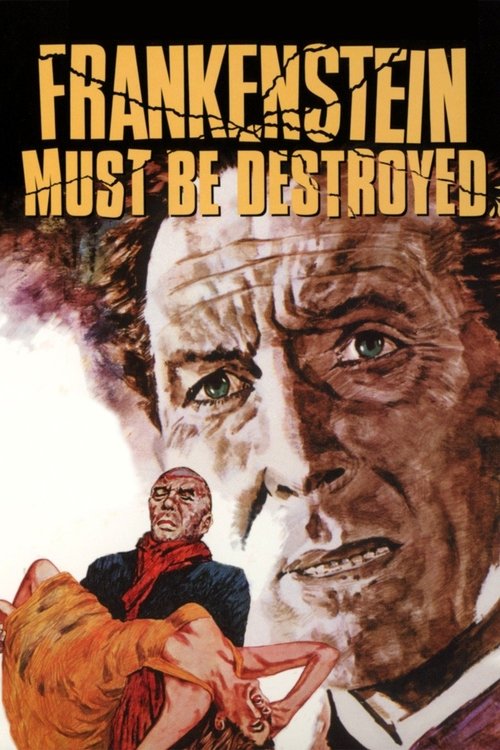
1969
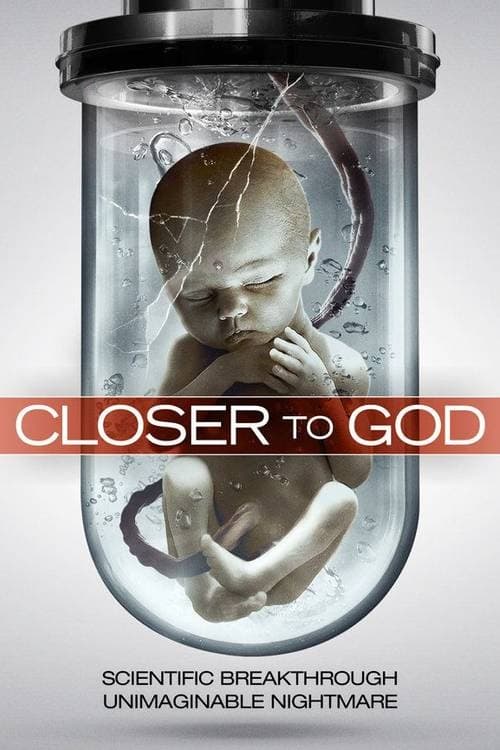
2014
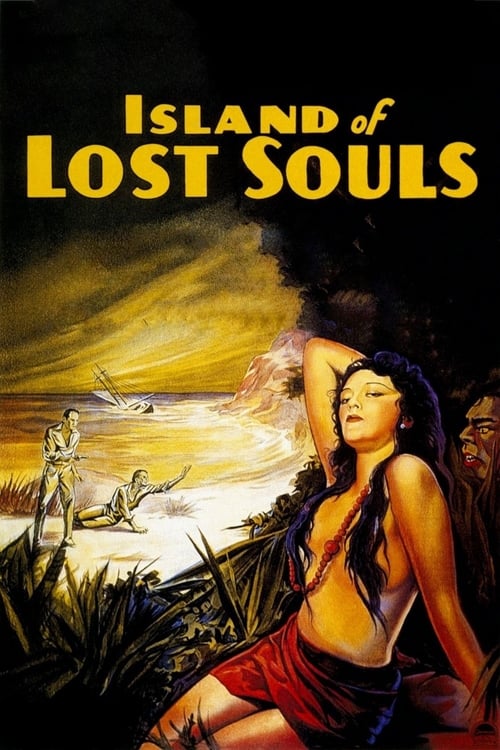
1932
No reviews yet. Be the first to share your thoughts on this movie!
Use the rating form above to leave a star rating and optional review.