
Wet
1994
No user ratings available yet
Representation score: 3.5 out of 10
Representation Score
Limited
1999
Director
Frederico Serra, Tiago Guedes
Runtime
16 minutes
Average Rating
No ratings yetNew Showbiz Analysis
O Ralo is a genre-driven comedic short that relies on established farce clichés. The plot is driven by the chaotic interaction of three male archetypes—the laborer, the criminal, and the rival—and a central female catalyst. While the film disrupts domestic peace through its frantic narrative, it lacks intentional representation of diverse identities. Characters operate within standard social hierarchies and conventional gender roles rather than challenging them. Ultimately, the film prioritizes situational mayhem over social or systemic issues, resulting in a narrow scope of representation.
Category Breakdown
The story revolves around a traditional heterosexual relationship. There are no visible queer relationships or characters who don't identify with the gender they were assigned at birth.
Eva drives the plot through seduction and managing conflicts among the male characters. However, she operates within conventional gender stereotypes and romantic ideals.
The narrative does not provide information about the racial or ethnic backgrounds of the characters. It focuses on class-related dynamics rather than specific ethnic identifiers.
The film uses situational humor and moral ambiguity. It follows conventional Western domestic structures without providing specific cultural critiques or institutional challenges.
There are no characters with visible or invisible disabilities. The cast does not include individuals with chronic illnesses or neurodivergent conditions.
Present on Screen
Limited or Absent
Official Synopsis
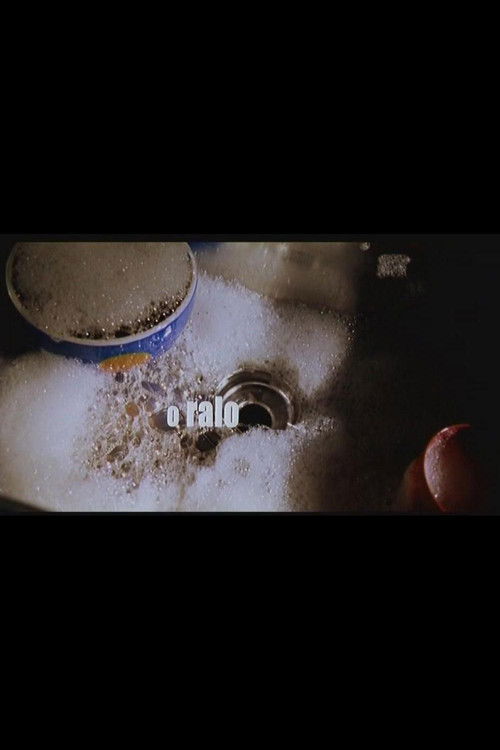
After a sink full of soapy water empties through a gurgling drain, a finger appears from underneath: Zé, a plumber, is at work. Eva, the lady of the house, interrupts him wearing little but a smile. She coaxes him out and seduction begins, interrupted by the surprise arrival of her lover, Carlão, a gun-toting criminal. Zé hides under the sink, watching through the drain hole as Carlão gives Eva a valuable necklace and makes love to her. Carlão is called away abruptly on business only to have his enemy Zim arrive a minute later to claim the necklace. Zé's still under the sink observing as mayhem descends on the kitchen. Will it end with a bang or a whimper?
1994
2006
2002
1986
1981
2008
1961
1970
No reviews yet. Be the first to share your thoughts on this movie!
Use the rating form above to leave a star rating and optional review.