Look Who's Talking
1989
No user ratings available yet
Representation score: 1.6 out of 10
Representation Score
Minimal
1990
PG-13Director
Amy Heckerling
Runtime
81 minutes
Average Rating
No ratings yetNew Showbiz Analysis
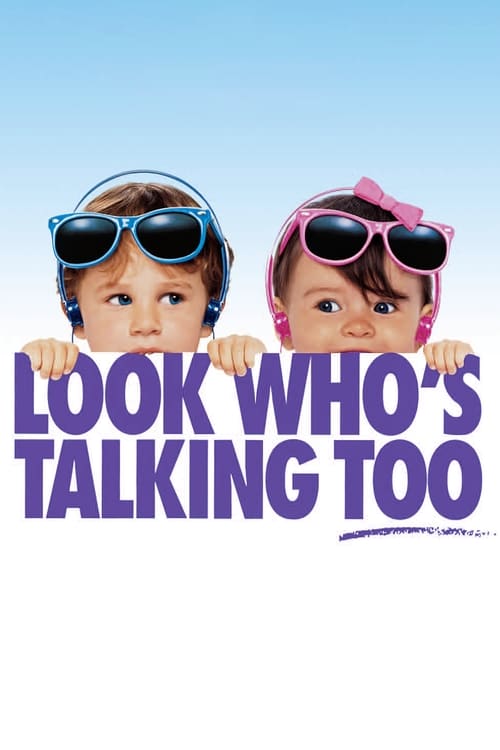
Look Who's Talking Too functions as a conventional studio comedy that prioritizes established social hierarchies. It centers on the comedic navigation of a standard Western nuclear family within a homogeneous demographic profile. While the film lacks multi-layered depth, it does offer minor subversions of gendered domestic roles. By granting the female lead organizational ability to act, it moves slightly away from traditional provider archetypes. Ultimately, the film remains a traditionalist narrative. It lacks racial diversity, queer representation, and engagement with disability, resulting in a narrow social scope.
Category Breakdown
The film focuses solely on the romantic relationship between Mollie and James, with no representation of queer identities.
Mollie is portrayed as the intellectual leader of the household, playing a significant role in driving the story. James subverts traditional masculinity by being comically inept at childcare tasks.
The social environment is predominantly white, with no representation of diverse racial or ethnic backgrounds. The central family structure lacks multicultural perspectives.
The story unfolds within a standard capitalist setting in New York City, reinforcing the stability of the nuclear family and conventional social structures.
There are no characters with visible or invisible disabilities. The narrative focuses strictly on childhood development and co-parenting tensions.
Present on Screen
Limited or Absent
Official Synopsis
Mollie and James are together and raising a family, which now consists of an older Mikey and his baby sister, Julie. Tension between the siblings arises, and as well with Mollie and James when Mollie's brother Stuart moves in. Mikey is also learning how to use the toilet for the first time.
1989

1993

2005
1990

1988
1968
2010
1987
No reviews yet. Be the first to share your thoughts on this movie!
Use the rating form above to leave a star rating and optional review.