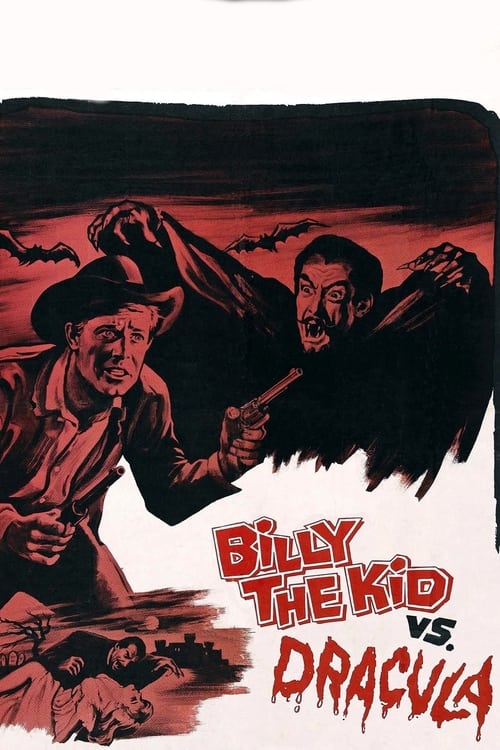
Billy the Kid Versus Dracula
1966
No user ratings available yet
Representation score: 0.5 out of 10
Representation Score
Limited
1966
ApprovedDirector
William Beaudine
Runtime
83 minutes
Average Rating
No ratings yetNew Showbiz Analysis
This genre crossover prioritizes escapism and established clichés over diverse representation. The narrative follows the social and structural hierarchies typical of its era, offering very little disruption of traditional norms. While the film includes a central female protagonist and mentions a non-white family, these elements do not drive a broader inclusive agenda. Instead, they function as incidental plot points within a conventional framework. Ultimately, the work lacks the intentionality needed to challenge social expectations, relying instead on familiar archetypes of the Western, Horror, and Science Fiction genres.
Category Breakdown
The film follows 1960s genre conventions and does not include any non-binary or LGBTQ+ identities or intimate relationships between same-sex characters.
Maria contributes through her scientific role but remains tied to traditional family legacies without challenging patriarchal structures.
The Western setting emphasizes Anglo-Saxon perspectives. Although the Lopez family is mentioned, characters of color do not have actively leading roles.
The narrative adheres to mid-century moral frameworks focusing on familial legacies and scientific pursuits without critiquing Western institutions or capitalism.
The mad scientist cliché is used, often associating mental instability with horror. Characters with disabilities are not given meaningful roles.
Present on Screen
Limited or Absent
Official Synopsis
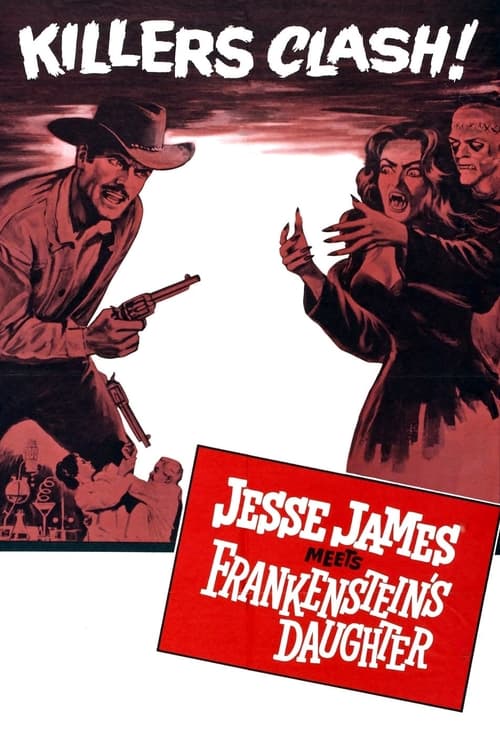
Dr. Frankenstein's Granddaughter Maria, and her brother assistant Rudolph, moved to the old west because the lightning storms there are more frequent and intense, which allows them to work on the experiments of their grandfather. But the experiments are failing and Rudolph's been secretly killing the corpses afterwards. Meanwhile, the Lopez family leaves the town because of the evil going on there
1966

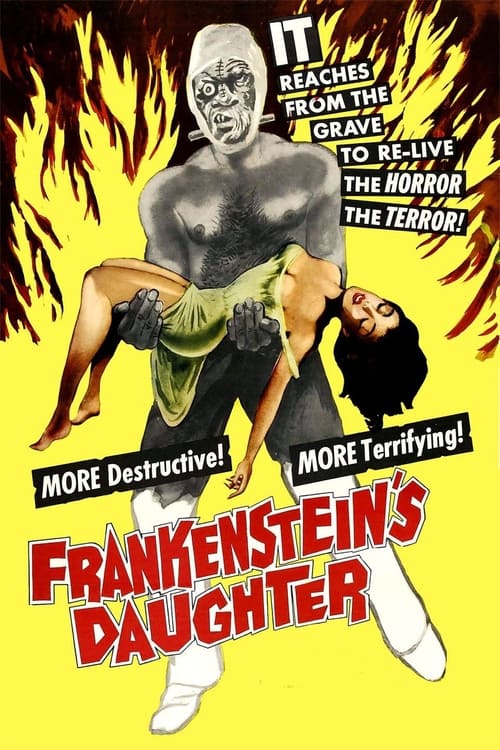
1958
1958
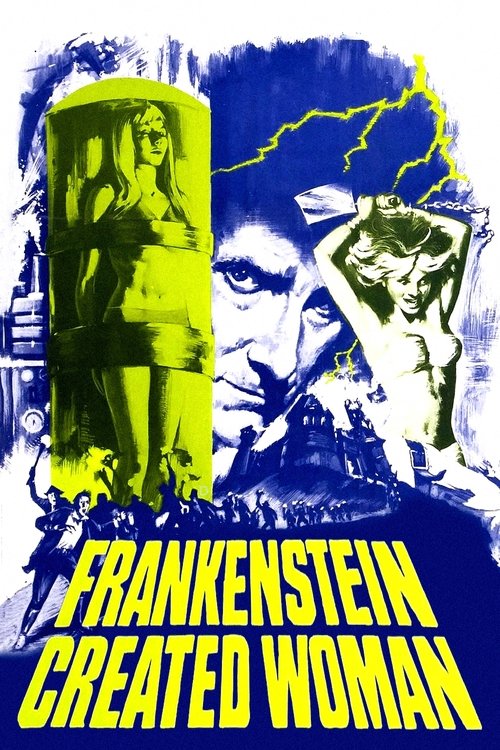
1967
1958
1957
1973

1932
No reviews yet. Be the first to share your thoughts on this movie!
Use the rating form above to leave a star rating and optional review.