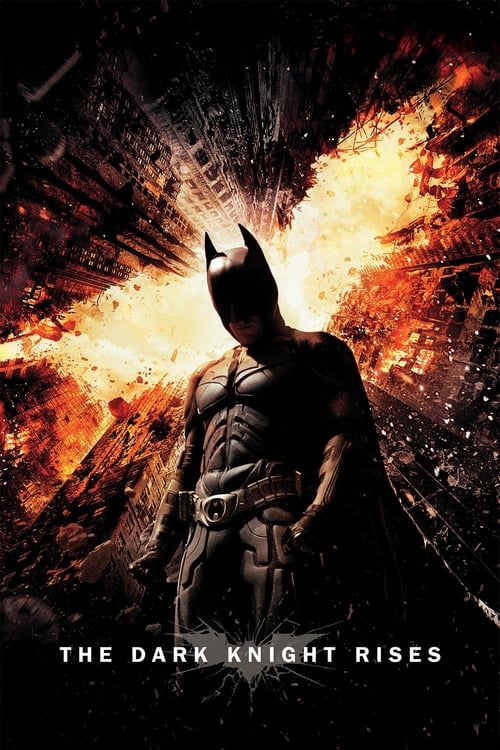
The Dark Knight Rises
2012
No user ratings available yet
Representation score: 3.9 out of 10
Representation Score
Limited
2008
PG-13Director
Christopher Nolan
Runtime
152 minutes
Average Rating
No ratings yetNew Showbiz Analysis
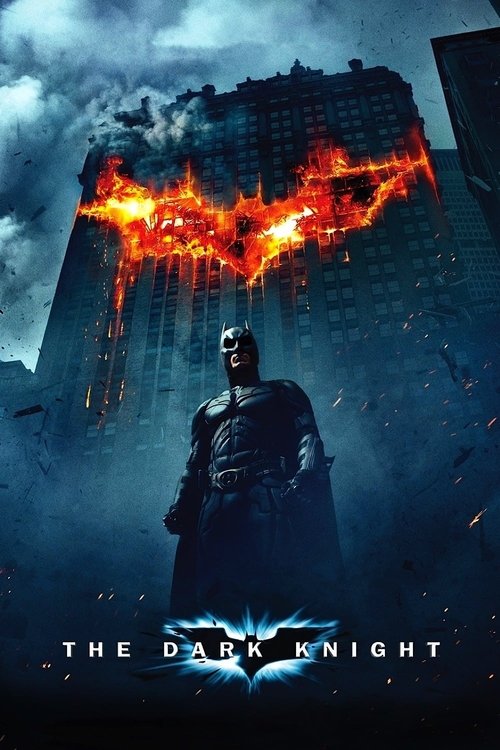
The Dark Knight positions order, law, and private wealth as the city’s salvation. Rachel Dawes dies to protect Harvey Dent’s image, and the city chooses a convenient lie over the truth. The closing image is a statue of a "white knight" who is actually a mass murderer, sold as a symbol of hope. The film treats institutional stability as the higher good, even when it requires burying the facts.
Category Breakdown
Romantic and familial bonds are strictly heterosexual. No same-sex intimacy, non-binary characters, or queer identity markers appear on screen.
Rachel Dawes is a competent prosecutor and moral center, but her arc ends in death caused by the Joker’s manipulation. Harvey Dent’s disfigurement destroys his potential domestic partnership, reinforcing physical wholeness as a prerequisite for traditional stability.
The cast is predominantly white. Detective Ramirez functions as a peer in the police hierarchy, but the central conflict remains a duel between unmarked white men. No non-white characters hold significant narrative power.
The film treats civic duty, law, and private wealth as the foundations of order. Bruce Wayne’s billionaire status is a resource for good, not a critique target. The ending prioritizes social cohesion over individual truth, framing the lie about Harvey Dent as necessary for city stability.
Harvey Dent’s facial disfigurement is the central bodily horror, treated as a mark of corruption and failure rather than a disability to be accommodated. Bruce Wayne’s injuries are framed as heroic sacrifice. No disabled life is depicted as unremarkable or admirable.
Present on Screen
Limited or Absent
Official Synopsis
Batman raises the stakes in his war on crime. With the help of Lt. Jim Gordon and District Attorney Harvey Dent, Batman sets out to dismantle the remaining criminal organizations that plague the streets. The partnership proves to be effective, but they soon find themselves prey to a reign of chaos unleashed by a rising criminal mastermind known to the terrified citizens of Gotham as the Joker.
2012
2000
2005
1985
2012
2014

2006

2009
No reviews yet. Be the first to share your thoughts on this movie!
Use the rating form above to leave a star rating and optional review.