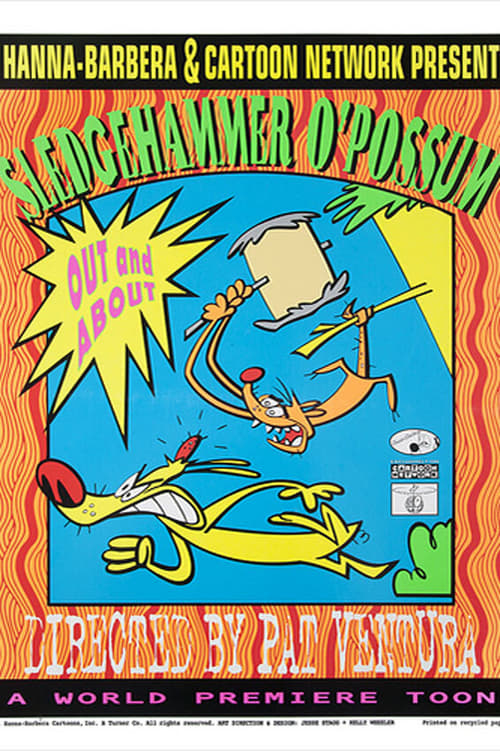
Sledgehammer O'Possum - Out and About
1995
No user ratings available yet
Representation score: 0.1 out of 10
Representation Score
Minimal
1995
TV-YDirector
Patrick A. Ventura
Runtime
7 minutes
Average Rating
No ratings yetNew Showbiz Analysis
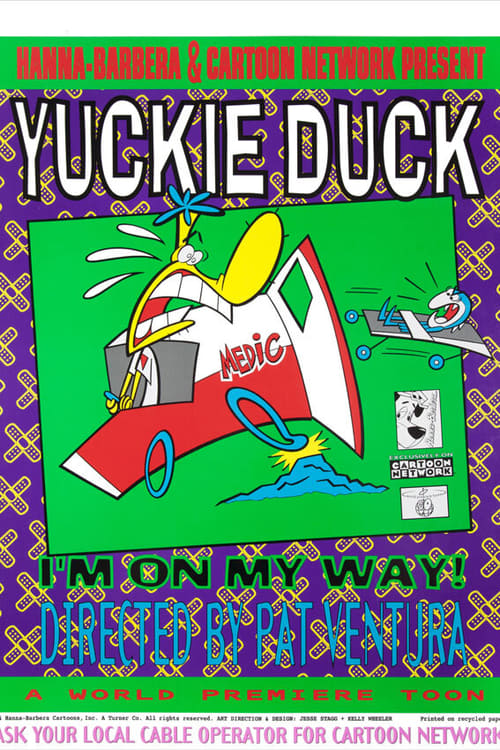
Yuckie Duck: I'm On My Way opens with the image of a bumbling paramedic, a visual shorthand for incompetence that defines the film’s entire comedic engine. The sold meaning is straightforward: order is fragile, and the well-meaning helper is the source of chaos. Yuckie Duck does more harm than good, a premise that treats professional authority as a joke rather than a standard. The film’s argument rests on the gap between intent and outcome, where the character’s earnestness contrasts with his destructive impact. This dynamic positions the protagonist as the target of ridicule, not the hero, inverting the typical competence narrative. The ending, implied by the title’s journey, likely resolves this chaos without challenging the underlying hierarchy of medical expertise. The camera loves the slapstick, not the system, leaving the paramedic’s failure as the final moral note. No characters pay for the structural flaws of the profession; the joke stays personal. The film’s cultural context is a 1995 animated comedy, a genre that prioritizes visual gags over thematic depth. The lack of diverse representation or complex identity markers reflects the era’s standard for low-budget animation, where the protagonist’s race and gender are unmarked defaults. The film’s internal logic is consistent: a clumsy helper causes harm, and the comedy derives from that mismatch. There is no contradiction between the billed plot and the sold meaning, as the film delivers exactly what its premise promises. The last image, whatever it may be, reinforces the idea that professional competence is a rare and fragile commodity, and that the individual’s failure is the primary source of amusement. The film does not seek to critique the medical system or explore identity; it simply entertains through the lens of a flawed protagonist. The audience is invited to laugh at the chaos, not to question the structures that produce it. The film’s legacy is minor, a footnote in the history of 1990s animation, but its internal logic is clear and consistent. The sold meaning is that help is often harmful, and that the individual’s incompetence is the primary driver of comedic tension. The film does not offer a progressive or traditional moral; it simply presents a world where the helper is the problem. This is a neutral stance, neither challenging nor upholding any specific hierarchy. The film’s value lies in its execution of a simple premise, not in its thematic depth. The audience is left with the image of a bumbling paramedic, a figure who is both sympathetic and ridiculous. This is the film’s final verdict: that competence is a luxury, and that the individual’s struggle to achieve it is the primary source of comedy. The film does not offer a resolution that challenges the status quo; it simply accepts the premise and runs with it. The result is a film that is entertaining on its own terms, but offers little in the way of cultural or social commentary. The film’s lack of diversity and complex identity markers is a reflection of its genre and era, not a deliberate choice to exclude. The film’s argument is simple: that the individual’s failure is the primary source of comedy, and that the system is not to blame. This is a traditional stance, one that places the burden of failure on the individual rather than the structure. The film does not challenge this stance; it simply accepts it. The result is a film that is consistent in its logic, but limited in its scope. The audience is left with the image of a bumbling paramedic, a figure who is both sympathetic and ridiculous. This is the film’s final verdict: that competence is a luxury, and that the individual’s struggle to achieve it is the primary source of comedy.
Category Breakdown
No queer characters or intimacy appear. The film relies on standard animated comedy tropes without addressing sexual orientation or identity themes.
Bill Kopp voices the male protagonist, Yuckie Duck. No female characters are named in credits, leaving gender dynamics unexplored and the cast entirely male.
The cast list includes only white-voiced actors for primary roles. No non-white characters or ethnic identities are mentioned in the available production data.
The film presents a generic comedic premise involving a clumsy paramedic. No specific cultural, national, or institutional critiques are evident in the synopsis or credits.
While the protagonist works in a medical field, no characters are depicted with disabilities. The focus remains on physical comedy rather than impairment or accessibility.
Present on Screen
Limited or Absent
Official Synopsis
Yuckie Duck works as a paramedic but does more harm than good to his patients.
1995
1959
1940
1979
1955

1985
1958
2008
No reviews yet. Be the first to share your thoughts on this movie!
Use the rating form above to leave a star rating and optional review.