
Nadie te habla: Manos libres
2005
No user ratings available yet
Representation score: 4.8 out of 10
Representation Score
Excellent
1983
Director
Felipe Cazals
Runtime
102 minutes
Average Rating
No ratings yetNew Showbiz Analysis
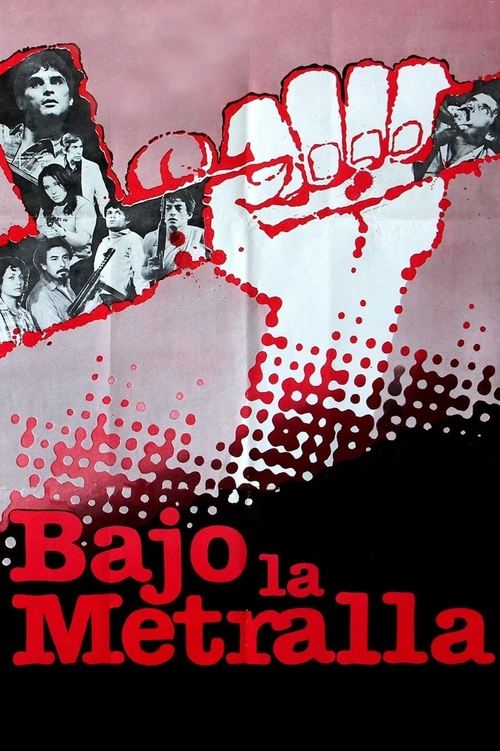
Under the Shrapnel is a sophisticated critique of institutional stability that deconstructs the concept of order. By focusing on the moral gray areas of political insurgency, the film favors a relativistic view of human ability to act over state-sanctioned morality. The film excels at providing a non-Western, Mexican perspective within the political thriller genre. Its thematic complexity challenges the stability of the state and the police. However, the film remains limited by a lack of representation for LGBTQ+ identities and disabilities. The narrative leans heavily on masculine archetypes common to 1980s political dramas.
Category Breakdown
The film does not include explicit LGBTQ+ characters or narratives that challenge straight-centered structures. Instead, it focuses on political conflicts and insurgencies that emphasize traditional power dynamics.
The movie centers on masculine archetypes typical of 1980s political thrillers. However, it likely challenges traditional heroic masculinity by showing characters in vulnerable and morally ambiguous situations.
As a Mexican production, the film highlights a non-Anglo-Saxon perspective. It shifts the focus away from Western-centric clichés to a localized conflict involving domestic political and paramilitary actors.
The film prioritizes subjective morality and situational ethics over state-sanctioned order. It critiques traditional institutions by depicting the breakdown of social contracts during a kidnapping attempt.
There is no specific evidence of characters with visible or invisible disabilities. In this high-intensity crime thriller, disability is not a documented element of the character data.
Present on Screen
Limited or Absent
Official Synopsis
A guerrilla commando tries to kidnap a politician. In the attempt, several policemen and a guerrillero die. By chance the head of the kidnappers meets an old colleague; to prevent him from betraying them, he kidnaps him.
2005

1997
1974

1972

2014

2002

1974

2000
No reviews yet. Be the first to share your thoughts on this movie!
Use the rating form above to leave a star rating and optional review.