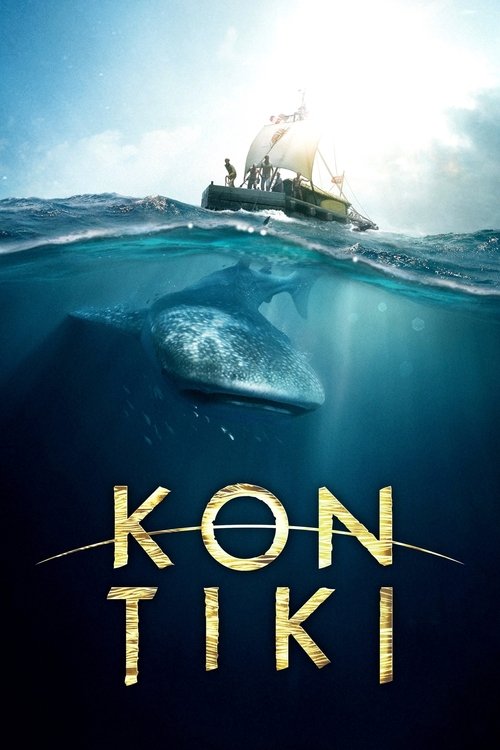
Kon-Tiki
2012
No user ratings available yet
Representation score: 0.5 out of 10

Representation Score
Limited
1970
Director
Yuri Shvyryov
Runtime
97 minutes
Average Rating
No ratings yetNew Showbiz Analysis
The film is a traditional historical epic that reinforces state-sanctioned heroism and centralized authority. It functions as a window into Soviet-era values, prioritizing imperial expansion and the achievements of singular male figures. While the production features a notable cast, the narrative structure adheres to conventional 18th-century hierarchies. It lacks the complexity or subversion of traditional power structures found in more progressive modern cinema. Ultimately, the work validates historical milestones through a lens of institutional power and national progress, offering little representation for underrepresented identities or diverse social perspectives.
Category Breakdown
The film does not include any characters with non-binary genders or same-sex relationships. It follows the traditional structures typical of 1970s historical biographical dramas.
The story focuses on male leadership and the explorations of Vitus Bering. Women likely play supporting or domestic roles rather than driving the expedition.
The film depicts European explorers in the Russian Far East. However, it reflects an imperial perspective of discovery rather than a decolonized viewpoint.
The film celebrates state-driven objectives and national expansion. It uses a 'great man' theory of history to validate historical institutions through the lens of heroic endeavor.
There is no mention of characters with physical or neurodivergent disabilities within the available narrative.
Present on Screen
Limited or Absent
Official Synopsis
The story of the great traveler and explorer Vitus Bering.
2012
1951
1940

1957

2017
1962
1939
2016
No reviews yet. Be the first to share your thoughts on this movie!
Use the rating form above to leave a star rating and optional review.