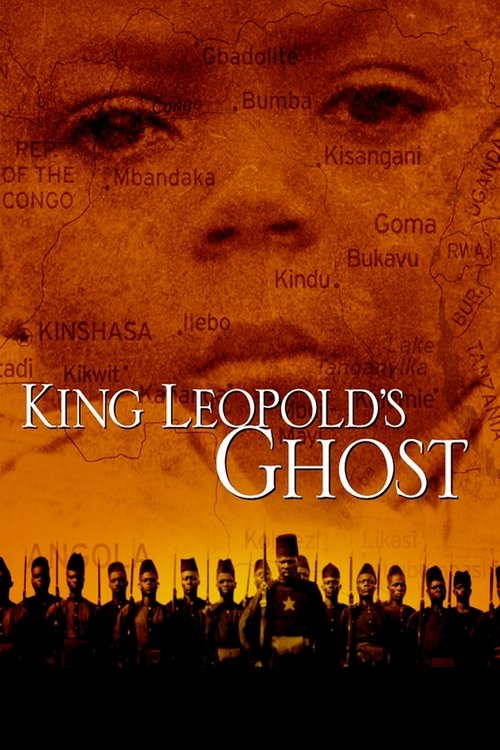
King Leopold's Ghost
2006
No user ratings available yet
Representation score: 6.9 out of 10
Representation Score
Limited
2003
Director
Peter Bate
Runtime
84 minutes
Average Rating
No ratings yetNew Showbiz Analysis
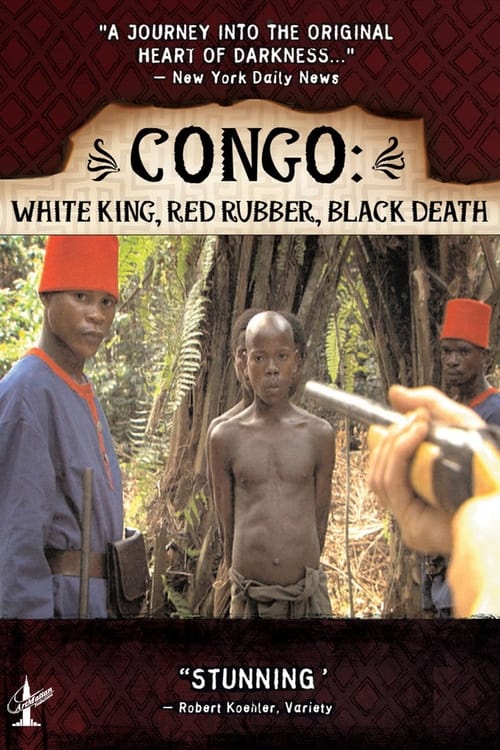
This documentary serves as a powerful post-colonial critique of the Belgian administration in the Congo Free State. It successfully shifts the historical focus away from the 'Great Man' theory of King Leopold II toward the systemic exploitation of the colonized population. By deconstructing the humanitarian facade of the Belgian state, the film exposes the brutal reality of colonial capitalism. While the film excels in its racial and cultural analysis, it lacks depth regarding gendered perspectives or LGBTQ+ narratives. The focus remains heavily on the broader racialized labor struggle and the macro-structures of state-sponsored violence. Ultimately, the work is a rigorous examination of the oppressor/oppressed framework. It refuses to normalize the 'civilizing mission' narrative, providing a necessary correction to traditional Eurocentric historical accounts.
Category Breakdown
The documentary focuses on the geopolitical and humanitarian atrocities of the late 19th century. There are no LGBTQ+ characters or narratives that challenge the assumption that everyone is straight or cisgender.
The narrative prioritizes the macro-level colonial power and labor exploitation over individual gendered experiences. It does not explicitly center the role of female subjects or challenge gender hierarchies.
The film centers the Congolese experience and the systemic violence inflicted upon Black populations. It disrupts colonialist clichés by framing the Belgian administration as a predatory force rather than a protector.
The documentary offers a scathing critique of Western colonial capitalism and absolute monarchy. It portrays Western institutions as inherently oppressive and morally bankrupt within the context of imperial profit.
The film depicts physical mutilations and bodily trauma as evidence of human rights abuses. These are not presented as depictions of disability as a character trait or plot device.
Present on Screen
Limited or Absent
Official Synopsis
This true, astonishing story describes how King Leopold II of Belgium turned Congo into its private colony between 1885 and 1908. Under his control, Congo became a gulag labor camp of shocking brutality. Leopold posed as the protector of Africans fleeing Arab slave-traders but, in reality, he carved out an empire based on terror to harvest rubber.
2006
1987

2006
2020
No reviews yet. Be the first to share your thoughts on this movie!
Use the rating form above to leave a star rating and optional review.