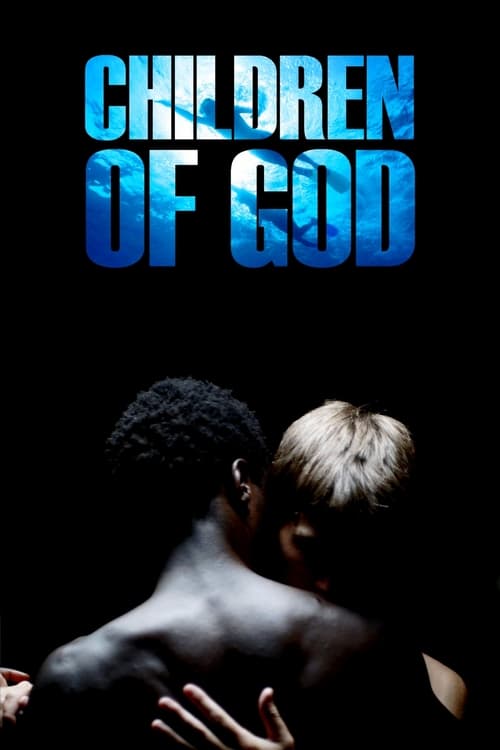
Children of God
2011
No user ratings available yet
Representation score: 6.5 out of 10

Representation Score
Good
2007
Director
Joselito Altarejos
Runtime
108 minutes
Average Rating
No ratings yetNew Showbiz Analysis
The film serves as a sophisticated character study that critiques broader social landscapes through personal intimacy. It moves beyond conventional gender norms by focusing on identity reevaluation. The narrative's strength lies in its nuanced portrayal of LGBTQ+ experiences, discussing systemic social pressures while integrating local legends and provincial settings. However, the focus remains largely on masculine emotional arcs, limiting the breadth of gender representation.
Category Breakdown
The film focuses on a protagonist's sexual reevaluation after meeting a man from Manila. It avoids stereotypes by including a local gay character who comments on the social climate in the Philippines.
Suzette is shown as a professional teacher with ability to act, but the narrative emphasizes masculine emotional arcs. The main character development revolves around male interpersonal dynamics and identity changes.
The story provides an authentic perspective by being set in a specific Philippine province. It avoids a Western-centric viewpoint by contrasting small-town life with the city of Manila.
Local folklore, such as the legend of the lighthouse fairy, is used to explore how superstitions intersect with identity. The film examines desires against communal traditions.
The narrative does not depict any physical or neurodivergent disabilities.
Present on Screen
Limited or Absent
Official Synopsis
Mateo is a lighthouse caretaker dating a teacher Suzette. The small town they are in is trying to increase tourism. Jerome stumbles across Mateo and Suzette having sex, whilst he is on holiday from Manila. A local a gay man, who pays local teenage boys for sex, talks to Mateo about the negative aspects of being gay in the Philippines. According to local legend, a lighthouse fairy seduces desirable men who then never marry. Mateo's relationship with Jerome leads to self reevaluation
2011
2009
2005

2013

2006

2014

2008

2009
No reviews yet. Be the first to share your thoughts on this movie!
Use the rating form above to leave a star rating and optional review.