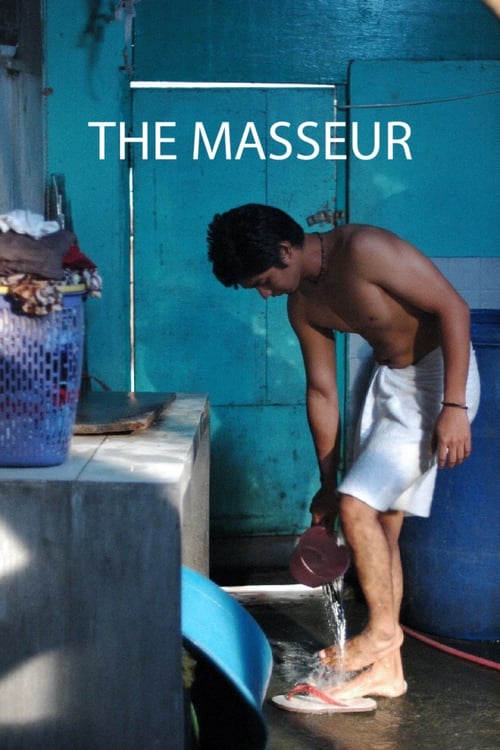
The Masseur
2005
No user ratings available yet
Representation score: 6.2 out of 10

Representation Score
Excellent
2009
Director
Joel Lamangan
Runtime
89 minutes
Average Rating
No ratings yetNew Showbiz Analysis
Heavenly Touch offers a nuanced exploration of overlapping identities by blending economic precariousness with queer-centric social spaces. It avoids idealized clichés, focusing instead on the harsh realities of survival and systemic challenges. The film successfully makes underrepresented identities—both queer and neurodivergent—central to the structural tension of the story. By grounding the drama in the necessity of labor and the weight of mental illness, it provides a realistic perspective on life on the periphery. While the film excels in cultural and queer visibility, gender representation remains centered on domestic struggles and caregiving burdens, rather than broader empowerment.
Category Breakdown
The film focuses on a massage parlor that caters mainly to a gay clientele. This setting highlights queer spaces as part of the protagonist's economic journey, avoiding superficial representation.
The story examines a family dealing with mental health issues and poverty. It challenges traditional gender roles by emphasizing the burdens of caregiving and vulnerability.
As a Philippine production, the film provides a non-Western perspective based on local socio-economic conditions. Characters navigate specific Southeast Asian labor markets and syndicates.
The narrative critiques formal economic constraints by showing a syndicate-run environment. It presents a complex view of family as both a support system and a burden.
Clinical depression is a central theme driving the plot rather than a minor element. The mother's condition influences the protagonists' life paths.
Present on Screen
Limited or Absent
Official Synopsis
Jonard is having trouble making ends meet. His mother is suffering from depression, and he and his sister are forced to quit school in order to take care of her. One day, Jonard meets up his friend Rodel, and Rodel introduces him to the world of massage parlors. Rodel teaches him massage, and brings him to Heavenly Touch, a syndicate-run massage parlor that mostly caters to homosexuals.
2005

2013

2004
2022

2018

2007
2006

2012
No reviews yet. Be the first to share your thoughts on this movie!
Use the rating form above to leave a star rating and optional review.