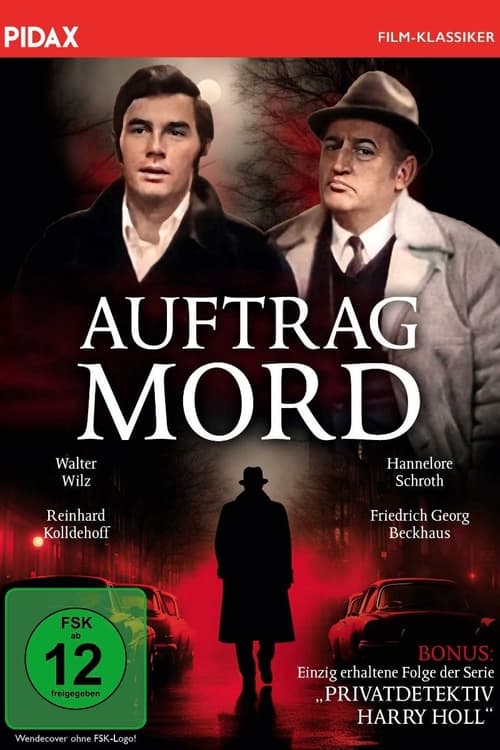
Auftrag: Mord!
1970
No user ratings available yet
Diversity score: 2.9 out of 10
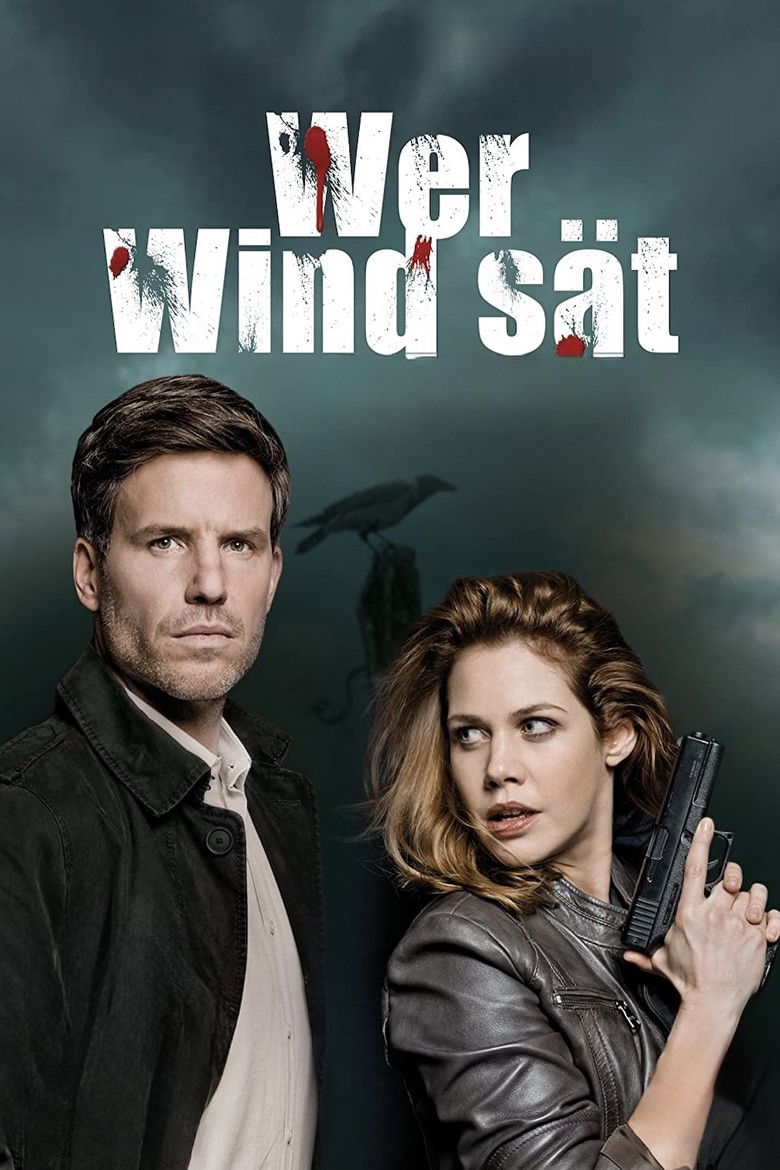
2015
Director
Marcus O. Rosenmüller
Runtime
89 minutes
Average Rating
No ratings yetSynopsis
Oliver von Bodenstein and Pia Kirchhoff determine in the environment of a wind turbine company and their opponents - each of which has its own motive. A storm of revenge, greed and betrayal brews together.
Overall Score
Limited
Category Breakdown
LGBTQ+ Representation
The film adheres to conventional social structures. There is no evidence of non-cisnormative identities or narratives that critique heteronormativity.
Gender Representation
The narrative relies on established gender archetypes within a small-town setting. Women do not occupy roles of superior intellect or strength relative to men.
Racial & Ethnic Diversity
The production features a homogeneous community reflecting the local Swiss demographic. There is no evidence of color-blind casting or a diverse, non-Anglo-Saxon majority.
Religious & Cultural Diversity
The story operates within a traditional Western framework focused on greed and betrayal. It does not prioritize secularism or frame traditional institutions as oppressive.
Disability Representation
There is no discernible inclusion of characters with visible or invisible disabilities. The focus remains strictly on crime and interpersonal conflicts.
Strengths
Areas for Improvement
AI Analysis
Wer Wind sät is a traditional genre-driven crime drama that prioritizes local realism over progressive narrative restructuring. The film functions within a standard social order, focusing on the friction of individual motives within a rural Swiss setting. The production lacks significant intersectional representation. It adheres to conventional depictions of gender, race, and cultural identity, offering minimal breadth beyond the immediate geographic context. Ultimately, the film does not seek to challenge traditional hierarchies or disrupt systemic norms, resulting in a score that reflects a standard, traditionalist approach to storytelling.
1970

2011
2014

2016

2020
2018
2020
2016
2024
2019

2012
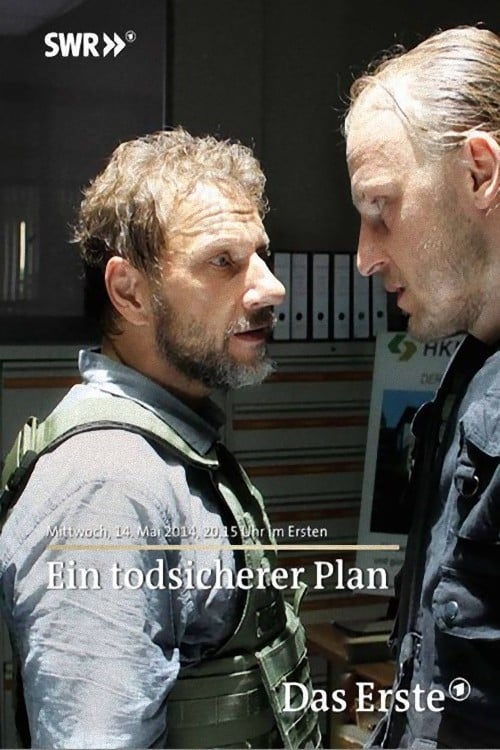
2014
No reviews yet. Be the first to share your thoughts on this movie!
Use the rating form above to leave a star rating and optional review.