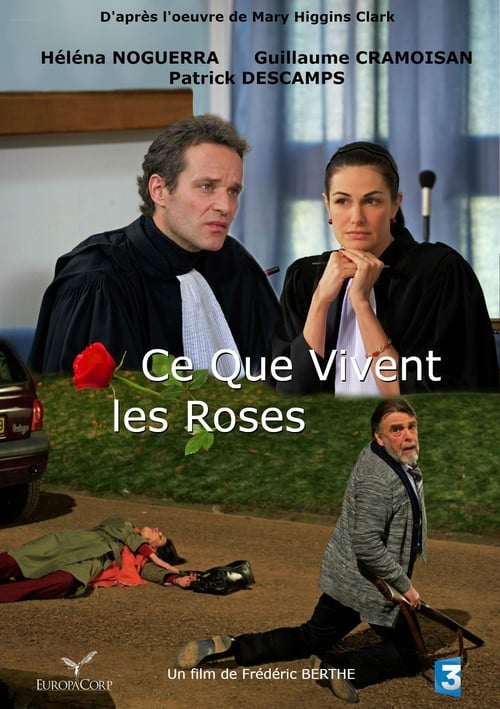
Ce que vivent les roses
2018
No user ratings available yet
Representation score: 5.3 out of 10

Representation Score
Fair
2020
Director
Marwen Abdallah
Runtime
0 minutes
Average Rating
No ratings yetNew Showbiz Analysis
Crime dans le Larzac operates as a typical French crime drama, relying on established genre conventions and a localized setting that favors a traditional demographic. Despite the potential for nuanced social commentary, the cast remains largely homogeneous. The film's strength lies in its ability to critique institutional power through its specific geographic context. However, it lacks the multi-layered complexity required for a higher score, sticking to conventional social structures found in television procedurals.
Category Breakdown
The film does not feature any explicit representations of LGBTQ+ identities or non-cisgender characters. It follows a typical pattern for French crime dramas where such identities are present but not central.
Florence Pernel's prominent role suggests significant influence for female characters. This position allows women to take on investigative roles within the procedural genre.
The cast primarily consists of individuals with European backgrounds, reflecting the local Larzac setting. While the director brings a diverse perspective, the visible cast appears relatively homogeneous.
The Larzac setting, historically associated with social resistance, serves as a backdrop for examining traditional authority. The narrative likely delves into themes of systemic conflict and moral ambiguity.
There is no information available regarding the portrayal of physical or neurodevelopmental disabilities. Therefore, there are no character-driven narratives centered around disabilities.
Present on Screen
Limited or Absent
2018

2018

2020

2018
2019
2025

2017

2024
No reviews yet. Be the first to share your thoughts on this movie!
Use the rating form above to leave a star rating and optional review.