
Todesengel
2019
No user ratings available yet
Representation score: 4.4 out of 10
Representation Score
Good
2018
Director
Nicolai Rohde
Runtime
85 minutes
Average Rating
No ratings yetNew Showbiz Analysis
The film functions as a traditional crime procedural that emphasizes psychological suspense over broader social critiques. While it avoids complete homogeneity, it adheres closely to established genre conventions. One strength is the a significant role in driving the story and emotional depth provided by Maria, which disrupts traditional passive female roles. Another strength is the inclusion of ethnic diversity among the cast members. However, the film lacks deep exploration of multiple aspects of identity. It uses diverse casting and themes of mental struggle but often through the lens of familiar archetypes and plot-driven motivations.
Category Breakdown
The film does not include any explicit LGBTQ+ characters or non-straight relationships. The story focuses on the psychological motivations of the characters involved in the investigation and criminal activities.
Maria plays a central role in driving the plot through her quest for vengeance. However, the main storyline still revolves around the male protagonist, Jan Fabel.
The cast features actors of various ethnicities, such as Stipe Erceg and Murathan Muslu. However, the portrayal of characters like the 'macho criminal' suggests a reliance on traditional genre clichés.
The Cologne Carnival serves as a traditional setting for the procedural storyline. The narrative focuses on law enforcement frameworks without addressing deeper cultural or institutional norms.
The film explores psychological trauma and burnout, adding depth to the characters. However, these elements serve mainly as plot catalysts rather than focused explorations of neurodivergence or disability.
Present on Screen
Limited or Absent
Official Synopsis
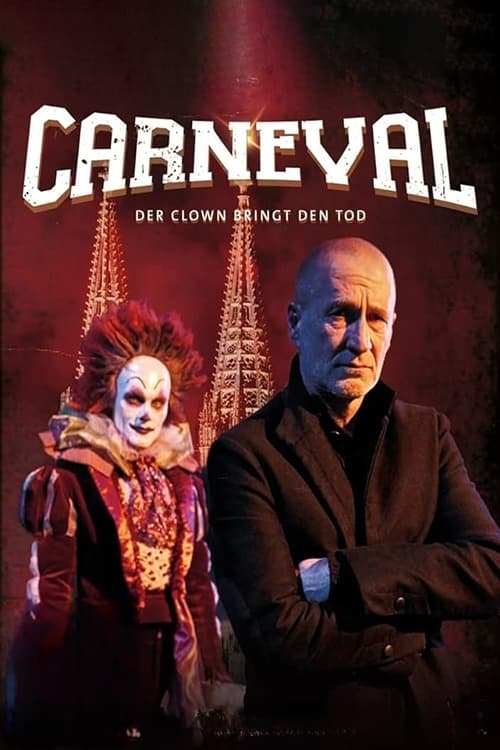
A tricky out-of-area mission for Peter Lohmeyer alias Chief Inspector Jan Fabel in his fourth case: in the hustle and bustle of Cologne Carnival, of all things, the introverted hamburger has to chase a serial killer and stop a colleague from going it alone. Lisa Maria Potthoff plays the policewoman Maria, whose traumatic experience turns into a blind thirst for vengeance, Stipe Erceg can be seen in the role of the burned-out top chef and Murathan Muslu as a macho criminal. The lost souls are what make this bestseller film adaptation by the author Craig Russell, which is extremely exciting right up to the last second.
2019

2005

2016

2019
2016
2002

2021
2019
No reviews yet. Be the first to share your thoughts on this movie!
Use the rating form above to leave a star rating and optional review.