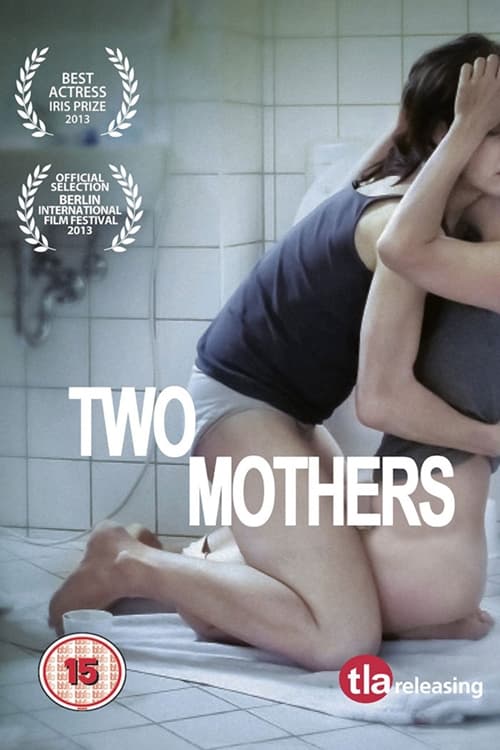
Two Mothers
2013
No user ratings available yet
Diversity score: 6.2 out of 10

2016
Director
Anne Zohra Berrached
Runtime
103 minutes
Average Rating
No ratings yetSynopsis
Astrid is a comedian who makes people laugh for a living; her husband Markus is her manager and the two of them work well together. They have a nine-year-old daughter and are expecting their second child. When they learn that their child will not be born healthy, they are at first optimistic that they will be able to meet this challenge – although they have no idea what awaits them. But the closer it gets to the due date, the more Astrid begins to worry about the future of her unborn child as well as that of her family and her career. After many discussions and arguments Astrid realises that the decision that will affect all their lives must be made by her alone. What complicates matters further is the fact that, as a successful entertainer, she is in the eye of the public and the media.
Overall Score
Good
Category Breakdown
LGBTQ+ Representation
Gender Representation
Racial & Ethnic Diversity
Religious & Cultural Diversity
Disability Representation
Strengths
Areas for Improvement
AI Analysis
24 Weeks is a sophisticated drama that centers on personal agency and the ethical complexities of reproductive choice. It succeeds by treating its diverse characters with nuance rather than relying on reductive tropes. The film's strength lies in its refusal to provide easy answers, instead validating the subjective truth of its protagonists. By centering a multi-racial couple and a female lead with significant autonomy, it disrupts many traditional cinematic hierarchies. While the film lacks LGBTQ+ representation, its deep engagement with disability and gendered decision-making creates a rich, character-driven experience that feels grounded in modern reality.
2013

2022

2015
2015

2007

2011

2019

2008

2009

2018

2017

2016
No reviews yet. Be the first to share your thoughts on this movie!
Use the rating form above to leave a star rating and optional review.