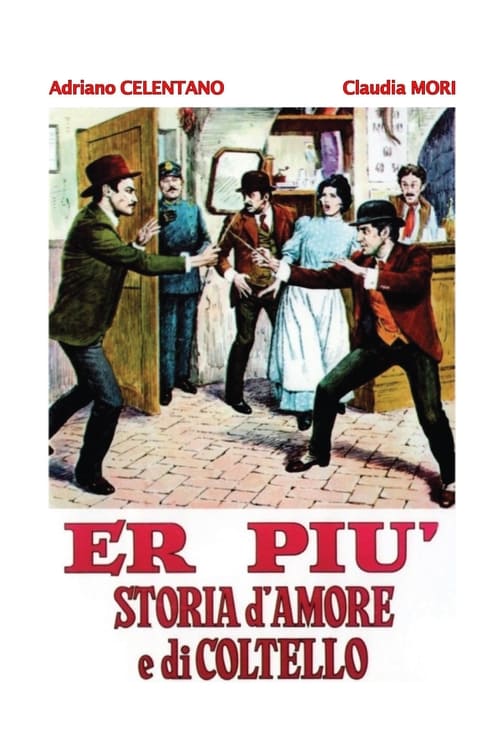
The Story of Romance and Knife
1971
No user ratings available yet
Representation score: 3.1 out of 10
Representation Score
Fair
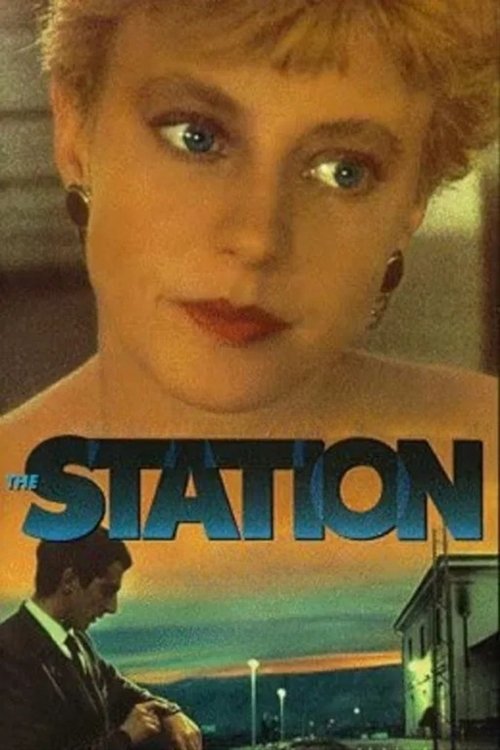
1990
NRDirector
Sergio Rubini
Runtime
86 minutes
Average Rating
No ratings yetNew Showbiz Analysis
The film functions as a nuanced character study that challenges social hierarchies through class tension. It subverts traditional romantic clichés by portraying the male fiancé as an agent of coercion rather than a provider of stability. While the narrative structure prioritizes disrupting social expectations, it lacks modern multi-layered markers. The representation remains rooted in the straight-centered and demographic frameworks of 1990s Italian cinema. Ultimately, the film's strength lies in its sociological depth rather than overt diversity, focusing on the tension between individual ability to act and rigid social standing.
Category Breakdown
The film focuses on a heterosexual relationship and does not include characters with non-cisgender identities or challenge the assumption that everyone is straight or cisgender.
A glamorous woman disrupts the stationmaster's controlled life, playing a significant role in driving the story. The conflict evolves from courtship to a critique of male possessiveness and coercion.
Set in a regional Italian outpost, the film reflects the demographic homogeneity typical of 1990s localized cinema. It lacks diverse racial casting.
The story critiques class structures by pitting a humble worker against the upper class. It explores the tension between individual desire and social institutions.
There are no visible or invisible disabilities central to the plot or character arcs.
Present on Screen
Limited or Absent
Official Synopsis
In a forgotten railway outpost, a humble stationmaster meets a glamorous society woman. Their brief wait for her train turns unexpectedly intimate—until her fiancé arrives, and the night erupts into a desperate struggle as he tries to drag her back by force.
1971
1987
1960
1992
1985
2005

1974

2011
No reviews yet. Be the first to share your thoughts on this movie!
Use the rating form above to leave a star rating and optional review.