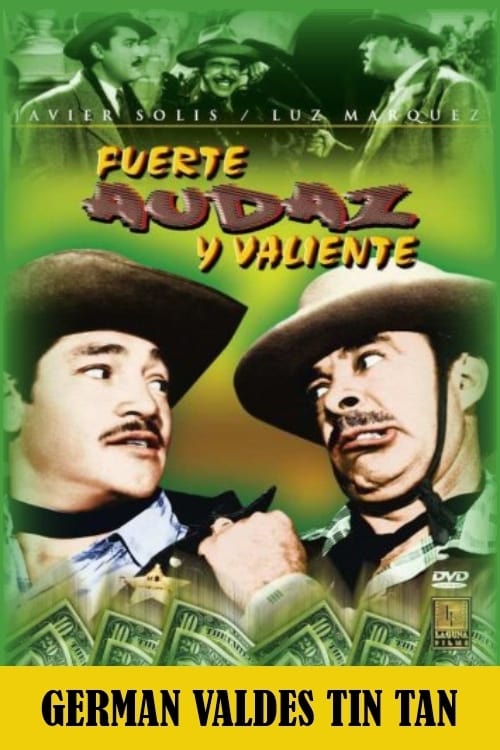
Fuerte, audaz y valiente
1963
No user ratings available yet
Diversity score: 3.6 out of 10
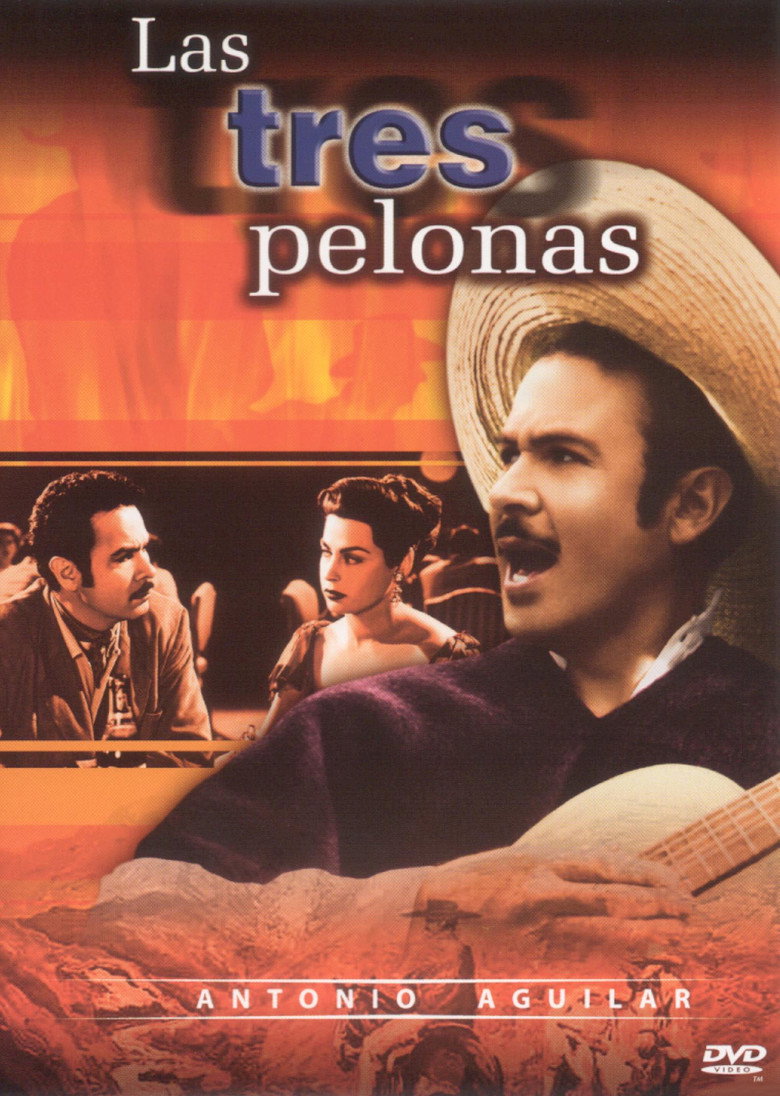
1958
Director
René Cardona
Runtime
75 minutes
Average Rating
No ratings yetSynopsis
Pseudo-historical drama about a semi-civilian who decides to run guns across the border for Villa's troops.
Overall Score
Limited
Category Breakdown
LGBTQ+ Representation
The film contains no LGBTQ+ characters or queer intimacy. It adheres strictly to the heteronormative social structures of 1950s domestic comedy.
Gender Representation
The narrative centers on three young female protagonists, providing them with more agency than typical male-centric dramas. However, their roles often align with the era's established social expectations for women.
Racial & Ethnic Diversity
A predominantly Mexican cast ensures cultural authenticity for the domestic setting. The film avoids the whitewashing common in international co-productions of this period.
Religious & Cultural Diversity
The story reinforces traditional social structures and middle-class domesticity. It lacks engagement with secular or anti-institutional themes, relying instead on established social norms.
Disability Representation
There is no representation of characters with visible or invisible disabilities. The plot does not include neurodivergent characters.
Strengths
Areas for Improvement
AI Analysis
Las tres pelonas functions as a character-driven comedy that prioritizes the social lives of three young women. By shifting the focus away from traditional patriarchal leads, the film offers a moderate level of gender agency for its time. However, the production remains deeply rooted in the conservative moral frameworks of 1950s Mexico. It lacks intentionality regarding intersectional identities or the deconstruction of systemic hierarchies, focusing instead on standard familial interactions. While the film maintains cultural authenticity through its Mexican ensemble, it does not challenge broader social or institutional structures, resulting in a score that reflects its period-specific traditionalism.
1963
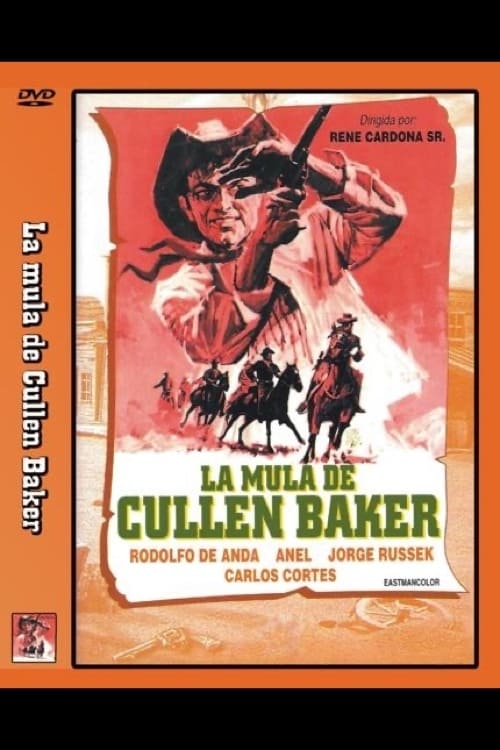
1971
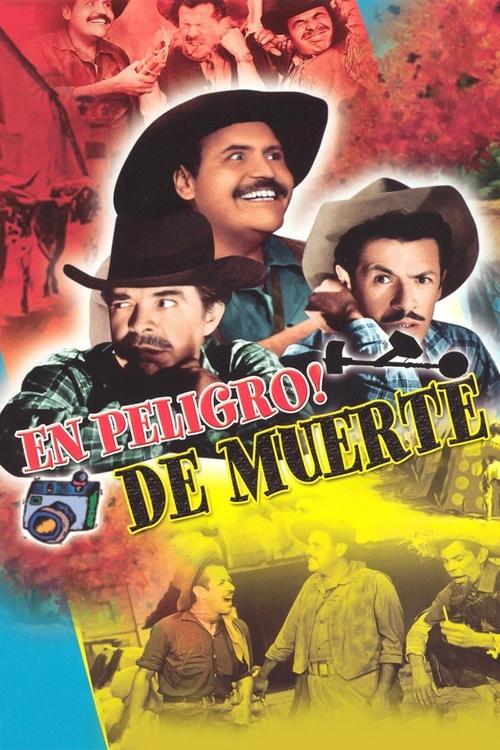
1962
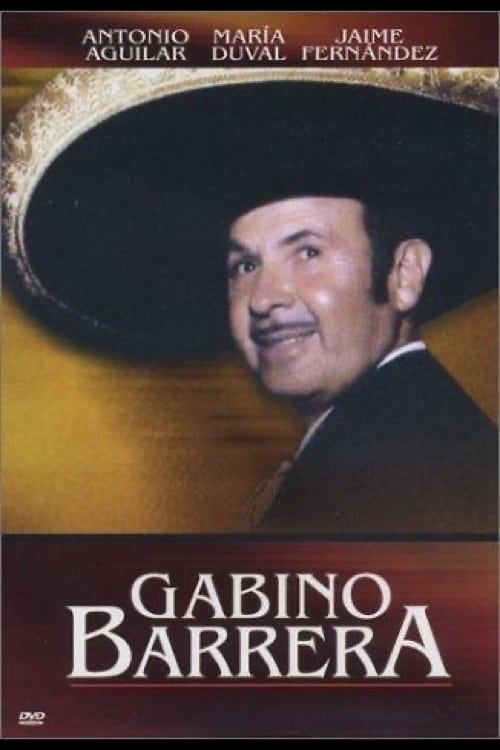
1965
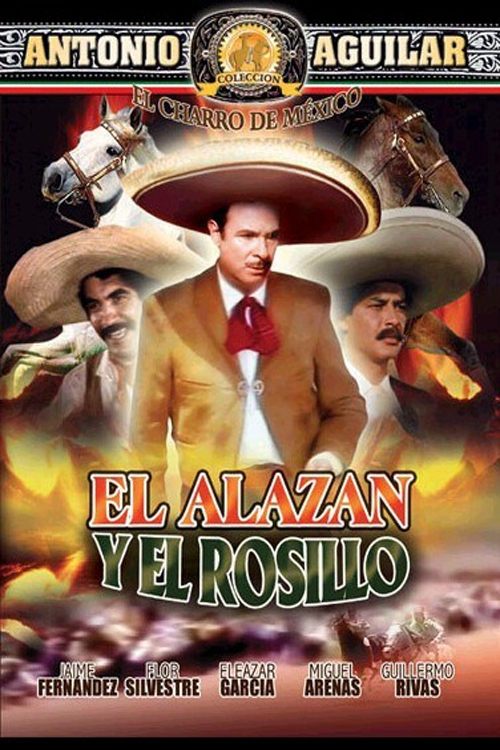
1966
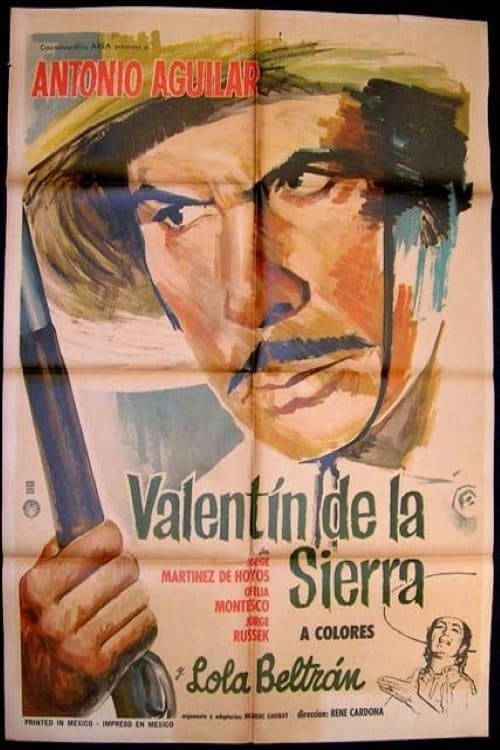
1968
No reviews yet. Be the first to share your thoughts on this movie!
Use the rating form above to leave a star rating and optional review.