Midwinter Night's Dream
2004
No user ratings available yet
Diversity score: 6.6 out of 10
2004
Director
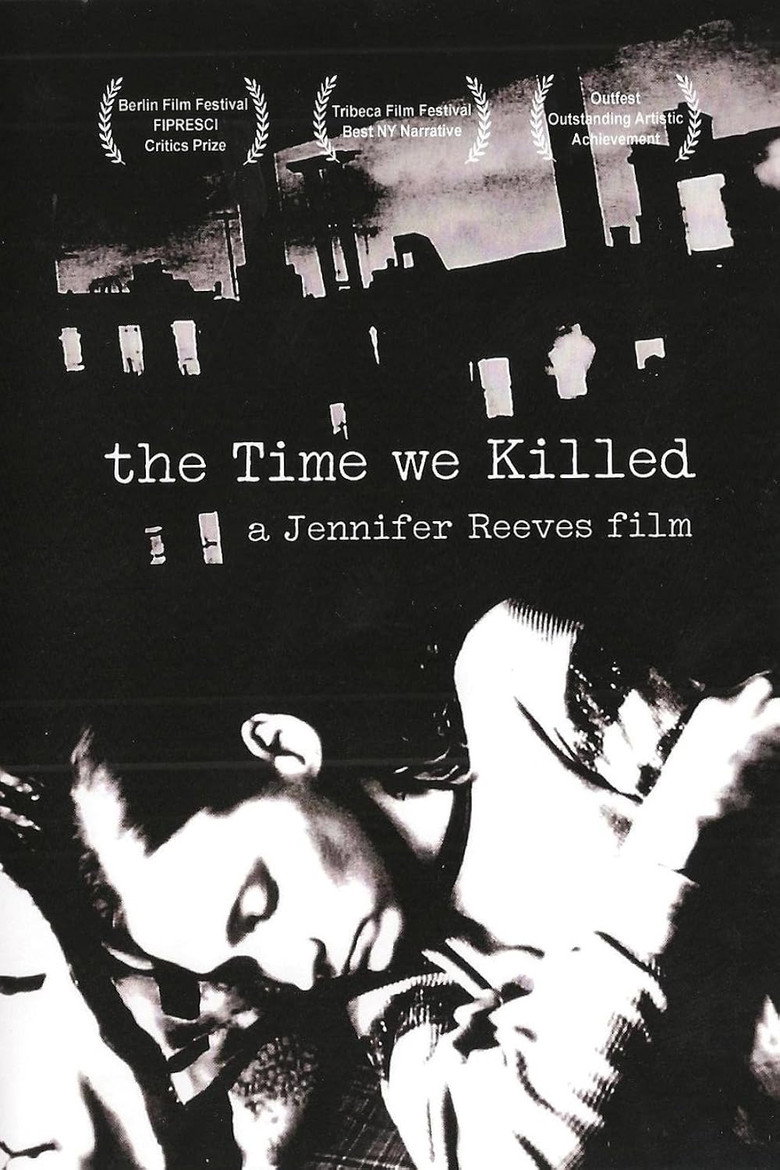
Jennifer Reeves
Runtime
94 minutes
Average Rating
No ratings yetSynopsis
The Time We Killed portrays the inner life of a writer unable to leave her Brooklyn apartment on the brink of the US invasion of Iraq. Robyn Taylor tries to kick her growing agoraphobia by re-imagining her past and contemplating world events of the present. As Robyn begins to overcome the amnesia that afflicted her as an adolescent, she fears coming down with “the amnesia of the American people”.
Overall Score
Good
Category Breakdown
LGBTQ+ Representation
The film focuses on an internal, non-normative experience of reality. While specific queer identities are not explicitly confirmed, the narrative centers on a subjective psychological landscape.
Gender Representation
The story disrupts traditional hierarchies by centering a female protagonist's intellectual and psychological struggles. Robyn Taylor's agency is defined by her cognitive processes rather than domestic roles.
Racial & Ethnic Diversity
The Brooklyn setting offers a backdrop for urban diversity. However, the narrative remains heavily focused on a singular, potentially homogeneous perspective centered on the protagonist's psyche.
Religious & Cultural Diversity
The film offers a sharp critique of Western institutions and geopolitical norms. It links personal trauma to the broader 'amnesia' of the American people and state-driven narratives.
Disability Representation
Agoraphobia and amnesia are treated as fundamental aspects of the protagonist's identity. These invisible disabilities shape how she perceives and navigates her world.
Strengths
Areas for Improvement
AI Analysis
The film excels at exploring internal, non-traditional experiences, particularly through its nuanced depiction of mental health and its skeptical view of geopolitical structures. By centering a female intellectual's psychological struggle, it avoids common domestic tropes. However, the narrative's intense focus on a single protagonist's psyche limits the visibility of broader social groups. Without explicit details on casting or specific queer identities, the film's intersectional reach remains somewhat narrow.
2004
2004
2019
2022
2010
2016
2019

2009
2015

2009

2016

2004
No reviews yet. Be the first to share your thoughts on this movie!
Use the rating form above to leave a star rating and optional review.