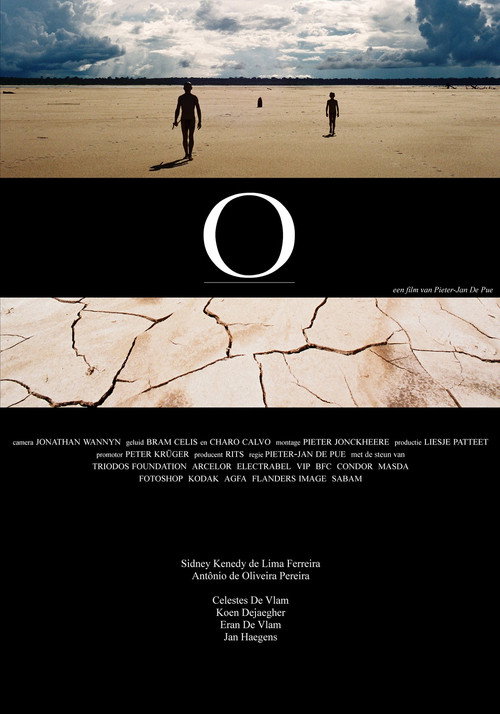
O
2006
No user ratings available yet
Representation score: 7.5 out of 10
Representation Score
Minimal
2006
Director
Jane Campion
Runtime
18 minutes
Average Rating
No ratings yetNew Showbiz Analysis
The film's diversity profile is defined more by the director's reputation than by explicit on-screen evidence. Jane Campion is known for deconstructing gender hierarchies and exploring underrepresented perspectives, which lends the project a high degree of thematic potential. However, the actual representation remains obscured. Because the narrative centers on a child's view of a drought without detailing specific character identities, it is impossible to confirm the presence of diverse racial, ethnic, or disability-related perspectives. The score reflects a tension between the director's progressive history and the lack of granular character data. The film appears to prioritize vulnerability and individual perception during an environmental crisis.
Category Breakdown
The film does not include any LGBTQ+ characters or narratives. While the director often explores queer themes, they are not present here.
The focus on a child's perspective offers potential for exploring non-traditional gender roles. However, there is no explicit subversion of gender dynamics.
The racial and ethnic composition of the cast and setting remains unknown. No information is available to determine diversity in this category.
The drought theme suggests a focus on resource scarcity and systemic fragility. This framework prioritizes subjective experience over institutional stability.
There is no mention of physical disability, neurodivergence, or mental health conditions. The narrative context provides no data on disability representation.
Present on Screen
Limited or Absent
Official Synopsis
A story through a child's eyes about living through a drought.
2006
1963
2015
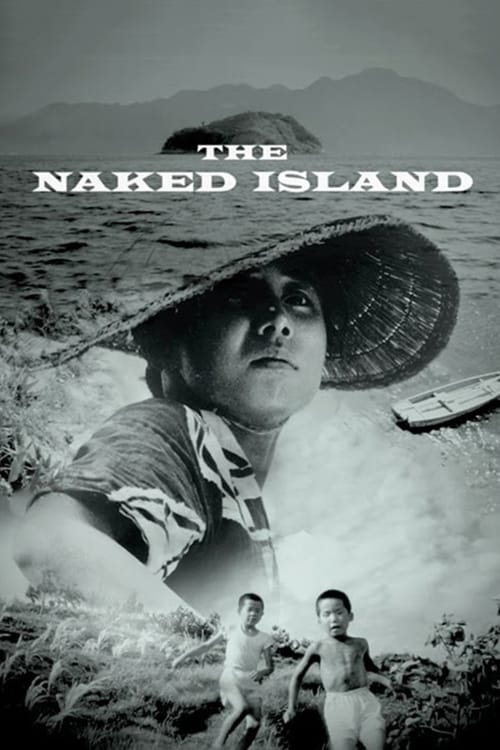
1960

2018
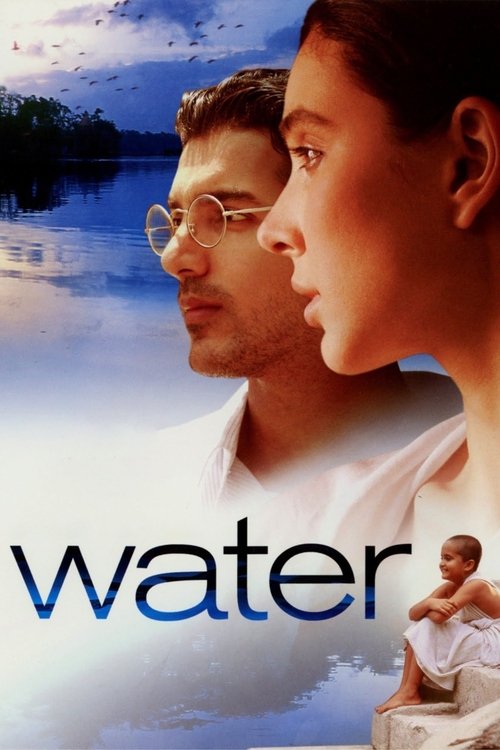
2005

2020
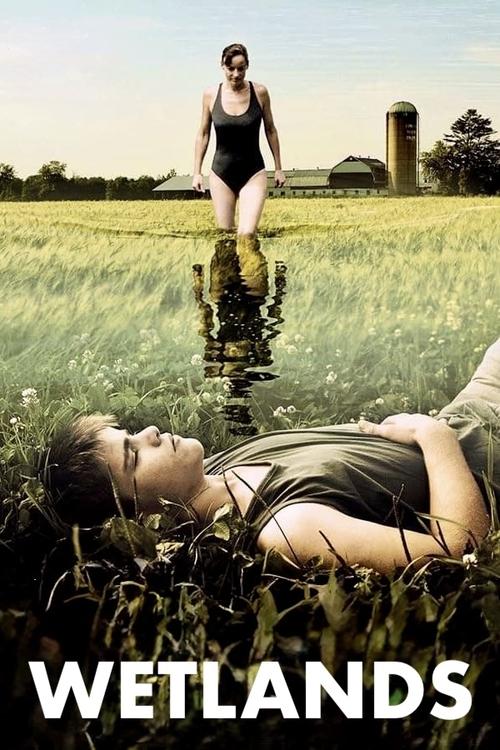
2011
No reviews yet. Be the first to share your thoughts on this movie!
Use the rating form above to leave a star rating and optional review.