
Dead Man Walking
1988
No user ratings available yet
Diversity score: 2.5 out of 10
1990
Director
Gregory Dark
Runtime
94 minutes
Average Rating
No ratings yetSynopsis
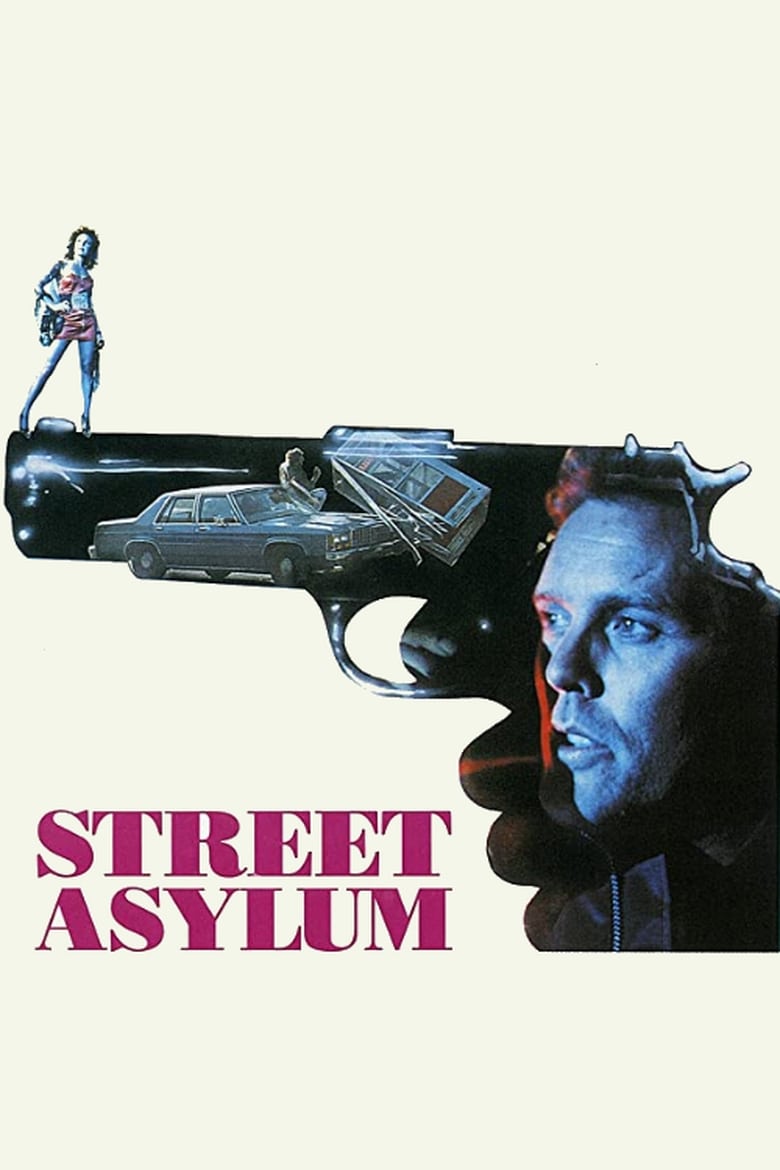
In the bleak near future Los Angeles has become a dangerous war zone with cops pitted against assorted law-breaking lowlifes. Sergeant Arliss Ryder (well played with customary wired intensity by the always great Wings Hauser) has an electronic device put into his back that turns him into an out-of-control psychotic killer and put on the Strike S.Q.U.A.D. (an acronym for Scum Quelling Assault Urban Devision), which is a unit of crazed cops assigned by Captain Bill Quinton (a typically gruff Alex Cord) to rid the City of Angels of criminals by using any means necessary. The only problem is that Arliss discovers what's going down and decides to put a stop to all this madness.
Overall Score
Limited
Category Breakdown
LGBTQ+ Representation
The film focuses on hyper-masculine conflict between law enforcement and criminals. There is no evidence of LGBTQ+ characters or narratives that critique heteronormativity.
Gender Representation
The story centers on male protagonists and commanding officers. Power dynamics rely on traditional masculine archetypes, leaving little room for female agency or the subversion of gender hierarchies.
Racial & Ethnic Diversity
Set in a bleak near-future Los Angeles, the film uses urban decay as a backdrop. However, it lacks explicit detail regarding the racial composition of its cast.
Religious & Cultural Diversity
The narrative critiques systemic corruption and the failure of Western institutions. It explores the breakdown of law and order through individualistic rebellion against a corrupt state.
Disability Representation
A character's implanted electronic device induces psychotic behavior. This uses neurological alteration as a plot device, risking the trope of divergence as a catalyst for violence.
Strengths
Areas for Improvement
AI Analysis
Street Asylum is a high-octane genre piece that prioritizes hyper-violence and systemic corruption over intersectional character development. The narrative architecture is built around traditional masculine hierarchies and archetypal conflict. The film relies on physiological alteration to drive its plot, which frames neurological divergence as a tool for loss of agency. This approach favors genre tropes over nuanced human representation. Ultimately, the work functions as a standard 1990s dystopian action film, focusing on individualistic struggle rather than a structured critique of social or cultural structures.
1988
1989
1995
1995

1994

1983

1988

1994
1983

2008

1983

1987
No reviews yet. Be the first to share your thoughts on this movie!
Use the rating form above to leave a star rating and optional review.