
Rush
1983
No user ratings available yet
Representation score: 1.7 out of 10
Representation Score
Limited
1983
RDirector
Sergio Martino
Runtime
96 minutes
Average Rating
No ratings yetNew Showbiz Analysis
The film is a classic example of 1980s exploitation cinema, emphasizing survivalist themes over nuanced social commentary. Character roles are largely defined by traditional masculine archetypes and physical strength. The narrative structure emphasizes biological roles, especially for the female lead. The setting serves as a backdrop without much exploration of diverse identities. Overall, the film adheres to the conventions of its time, lacking progressive representation or critical analysis.
Category Breakdown
The film does not include any LGBTQ+ characters or representations of queer relationships. It assumes everyone is straight.
Men are portrayed as physically strong and dominant, while the female character's role revolves around her biological function as the last fertile woman.
The cast is mostly white and Western, reflecting the 1980s Italian genre filmmaking style. There is no indication of multicultural or diverse casting.
The film treats the collapse of Western institutions as a typical post-apocalyptic scenario. It focuses on individual survival without exploring alternative cultural or political structures.
Physical mutations or impairments are used as visual signs of a decaying world. Characters with disabilities have little influence on the plot and are mainly obstacles in the action.
Present on Screen
Limited or Absent
Official Synopsis
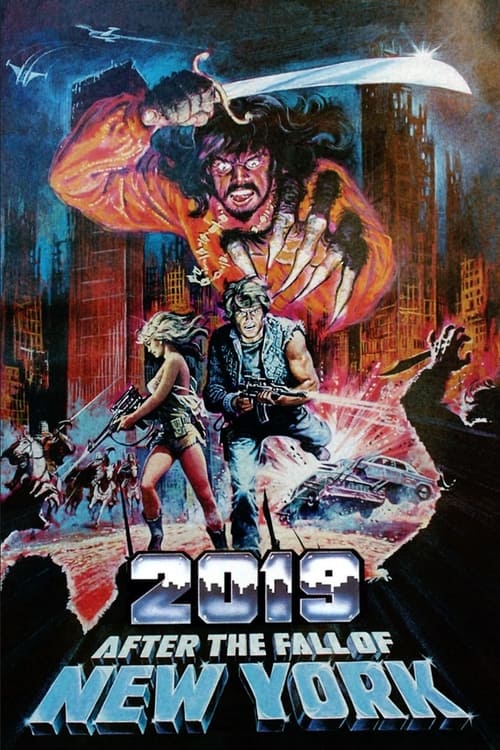
After a nuclear war society breaks down into two groups, the evil Euraks, and the rebel Federation. A mercenary named Parsifal is hired by the Federation to infiltrate New York City, which is controlled by the Euraks, to rescue the only fertile woman left on Earth.
1983

1986

1983

2004

1988

1989
1987
1981
No reviews yet. Be the first to share your thoughts on this movie!
Use the rating form above to leave a star rating and optional review.