The Lost Moment
1947
No user ratings available yet
Representation score: 3.7 out of 10
Representation Score
Minimal
1965
NRDirector
Gordon Douglas
Runtime
115 minutes
Average Rating
No ratings yetNew Showbiz Analysis
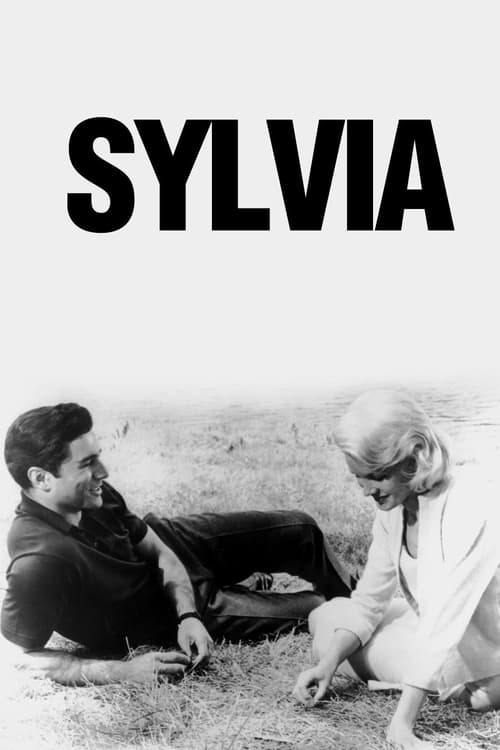
Sylvia is a mid-century psychological thriller that emphasizes traditional morality and social standing. The plot focuses on the threat posed by a woman's past to a stable, upper-class marriage. This emphasis on domestic stability and the preservation of the nuclear family keeps the narrative within the conventional boundaries of the 1960s. The film lacks complexity in reflecting multiple aspects of identity. It presents a world where social reputation and gendered expectations determine the stakes of the drama.
Category Breakdown
The film adheres closely to the assumption that everyone is straight or cisgender. It does not include any characters or narratives that challenge traditional sexual orientations or gender identities.
The female protagonist's role is largely defined by her interactions with men. Her character development revolves around maintaining a facade to meet societal expectations set by patriarchal norms.
The setting implies a homogeneous Western society. There is no indication of a diverse cast or efforts to break away from historical racial norms.
The storyline emphasizes traditional Western institutions, particularly the sanctity of marriage. It prioritizes social reputation and established family structures.
The film does not feature any characters with visible or invisible disabilities.
Present on Screen
Limited or Absent
Official Synopsis
Sylvia West (Carroll Baker) may not be who she says she is. Her fiancé, the very well-to-do Frederick Summers (Peter Lawford), hires an investigator named Alan Maklin (George Maharis) to do some digging, and what he finds out about her life prior to becoming a writer is quite shocking. Will the newfound knowledge ruin the marriage? Gordon Douglas (Young at Heart) directs this drama, which is based on E.V. Cunningham's book.
1947
1969
1958
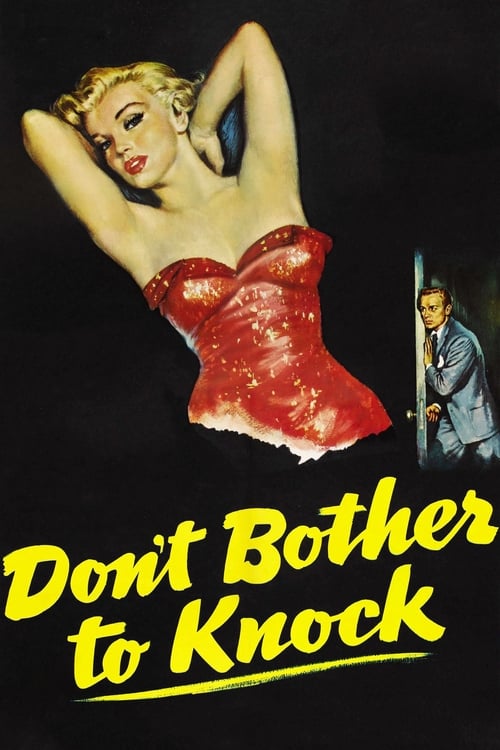
1952
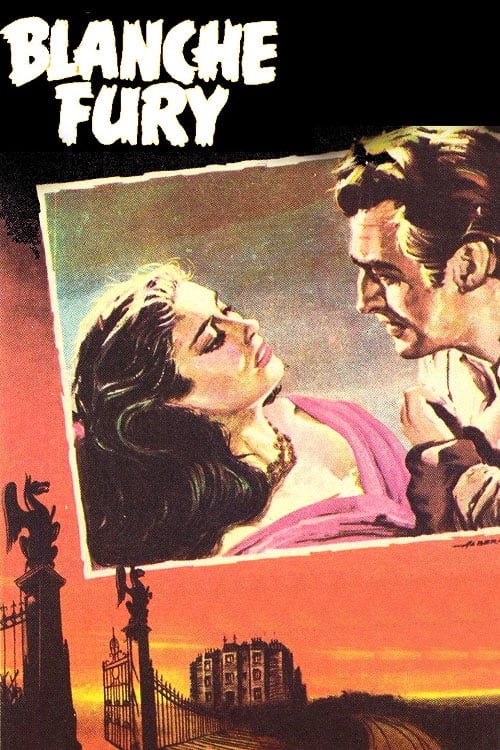
1948
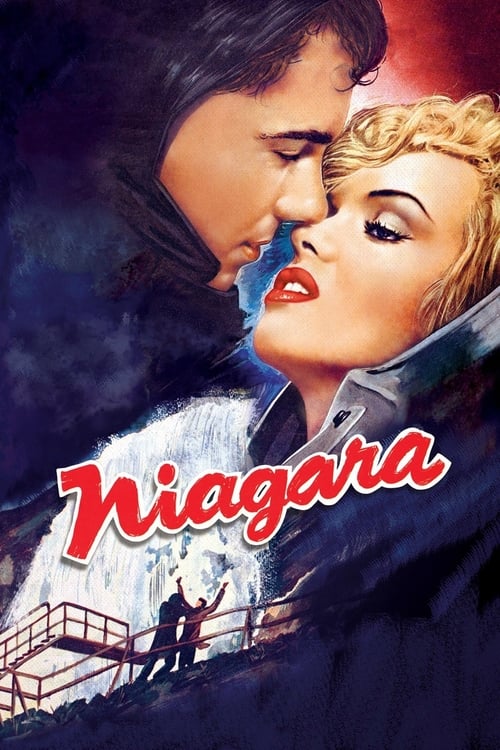
1953
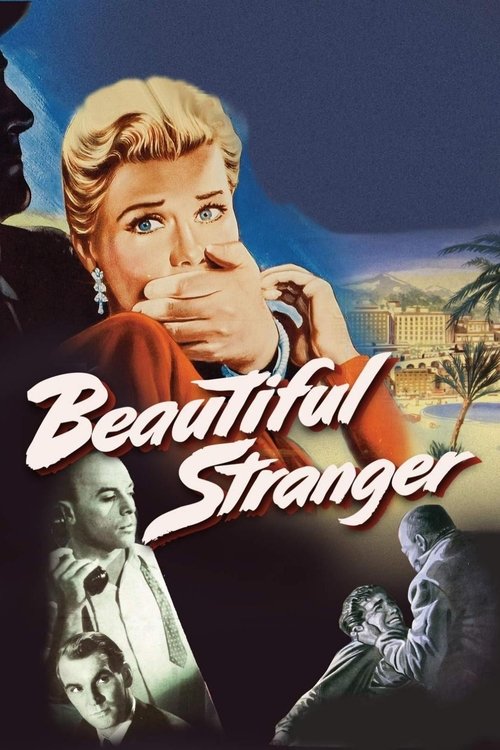
1954
1953
No reviews yet. Be the first to share your thoughts on this movie!
Use the rating form above to leave a star rating and optional review.