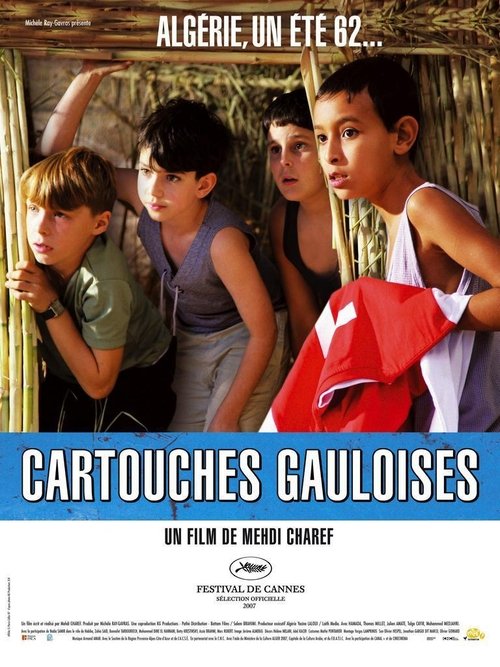
Summer of '62
2007
No user ratings available yet
Representation score: 6.2 out of 10
Representation Score
Good
2013
Director
Narimane Mari
Runtime
77 minutes
Average Rating
No ratings yetNew Showbiz Analysis
Bloody Beans stands out as a culturally authentic North African film that prioritizes local perspectives. By presenting the Algerian War of Independence through the eyes of children, the film avoids typical historical epic clichés. The narrative employs a dreamlike, impressionistic style to explore how systemic conflict affects daily life. This approach delves into the psychological aspects of national identity rather than a straightforward retelling of events. While the film excels in cultural specificity and challenging national myths, it lacks specific representation of LGBTQ+ identities and disabilities.
Category Breakdown
The film does not explicitly depict LGBTQ+ identities or non-straight relationships. Instead, it focuses on the shared experiences of children rather than individual queer identities.
The film challenges traditional gender hierarchies by emphasizing a chaotic, collective energy among children. ability to act is spread throughout the group rather than being centered on a single leader.
The film highlights Algerian identity and North African social structures. It shifts the focus away from a Western perspective by centering the narrative on local village life and national history.
The film presents a nuanced view of historical conflict, avoiding simplified or patriotic depictions of the Algerian War. It portrays social structures as sites of upheaval rather than idealized sanctity.
There is no discernible evidence regarding the portrayal of physical or neurodivergent disabilities within the film.
Present on Screen
Limited or Absent
Official Synopsis
On an Algerian beach, kids splash about, sleep, squabble - and then suddenly go to war. And it’s neither Lord of the Flies nor La Guerre des boutons. In her first film, full of grace, Narimane Mari films this childish freefor- all closely, at the irregular pace of an imagination inspired by the highest form of reality, national History — actually, nothing less than the Algerian War of Independence. When their make-believe induces a general upheaval, we follow the flock of children as they stamp their feet up the stairs, invade houses, cross village squares, in a whirlwind of shouts and empty words. Time is stretched like in a dream, through a choreography of belligerent shadows or the night-time explosion of the cemetery, as so many warning signs of dangers to come.
2007

2005
2012
2012
2013
2015

1991

2017
No reviews yet. Be the first to share your thoughts on this movie!
Use the rating form above to leave a star rating and optional review.