Antarctica Calling
2023
No user ratings available yet
Representation score: 3.5 out of 10
Representation Score
Minimal
2015
Not RatedDirector
Luc Jacquet
Runtime
89 minutes
Average Rating
No ratings yetNew Showbiz Analysis
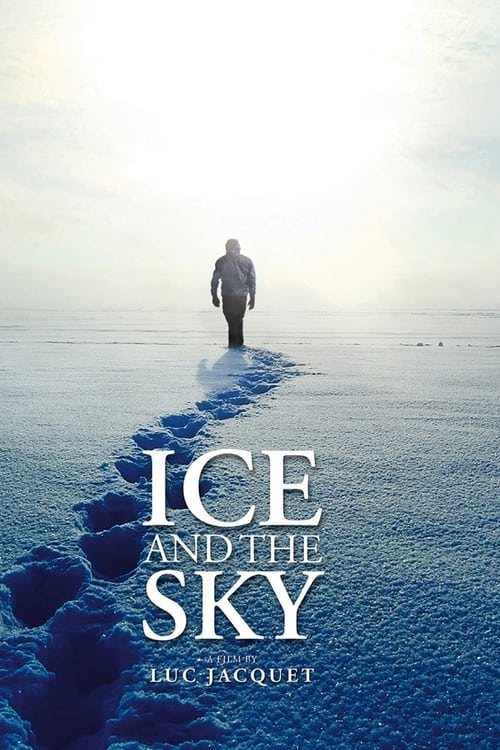
Antarctica: Ice & Sky is a specialized ecological documentary that prioritizes the natural world over human social dynamics. Its narrative structure is centered on glaciology and biological imperatives rather than social identity frameworks. Because the film focuses on the uninhabited Antarctic landscape and scientific observation, it lacks the human cast necessary to address most diversity metrics. The focus remains strictly on environmental science and the history of climate change. While the film succeeds as a cinematic study of nature, it operates entirely outside the parameters of human social representation.
Category Breakdown
The film focuses entirely on Antarctic fauna and glacial shifts. There is no depiction of human gender identity or sexual orientation within the narrative.
Human characters are absent, making it impossible to evaluate gender hierarchies. Animal mating rituals are shown through a biological lens of species survival.
The setting is an uninhabited landscape populated by wildlife. Human presence is limited to scientific observation, leaving no room for racial or ethnic representation.
The film prioritizes a secular, scientific worldview over religious or nationalist dogmas. It maintains a neutral stance by focusing on global environmental stewardship.
There are no human characters present. Consequently, the film contains no depictions of neurodivergence or physical disability.
Present on Screen
Limited or Absent
Official Synopsis
Documentary about the work of Claude Lorius, who began studying Antarctic ice in 1957, and, in 1965, was the first scientist to be concerned about global warming.
2023
2015
2022
2007
2015
2020
2009
2012
No reviews yet. Be the first to share your thoughts on this movie!
Use the rating form above to leave a star rating and optional review.