
Checkered Flag or Crash
1977
No user ratings available yet
Representation score: 2.5 out of 10
Representation Score
Limited
1976
RDirector
Paul Bartel
Runtime
93 minutes
Average Rating
No ratings yetNew Showbiz Analysis
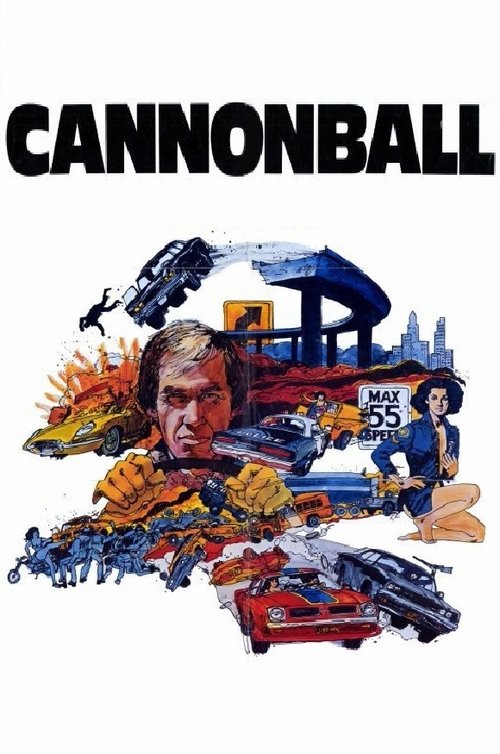
Cannonball is a classic exploration of counter-cultural rebellion. It stands out by rejecting traditional authority and embracing a relativistic, anti-establishment ethos that defines exploitation cinema of the era. The film's strength lies in its portrayal of anti-establishment themes and the subversion of traditional institutions. It uses moral relativism to frame illegal racing as a pursuit of personal freedom. However, the film struggles with depth in addressing multiple aspects of identity. It relies heavily on the era's clichés, particularly regarding gender and sexuality, which limits its social complexity.
Category Breakdown
The film does not include explicit LGBTQ+ characters or storylines. It focuses on typical 1970s social dynamics and sexualized themes.
Women in the film often serve as objects of desire within a hedonistic lifestyle. The racing culture remains predominantly male-dominated, without giving women a central role.
An international cast of racers brings various cultural backgrounds. However, this representation aligns more with the style of 'international' grit than a deep look at racial hierarchies.
The film effectively portrays anti-social behavior and challenges Western institutions. It emphasizes individualistic hedonism and frames illegal racing as a quest for personal freedom.
There is no significant evidence regarding the portrayal of visible or invisible disabilities within the narrative.
Present on Screen
Limited or Absent
Official Synopsis
Coy "Cannonball" Buckman and his blazing red Pontiac enter the Trans-America Grand Prix, an underground road race spanning the continent in which there are no rules, no speed limits and no heed for the law. En route, Buckman jockeys with an international ensemble of racers for a $100,000 purse. But there are none more important than Cade Redman, his direct competition for a guaranteed spot on the elite Modern Motors racing team.
1977

1974
1978
1971
1984
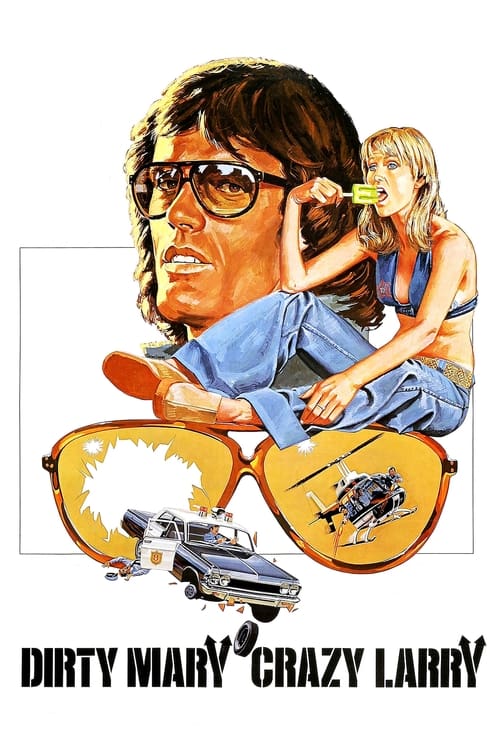
1974
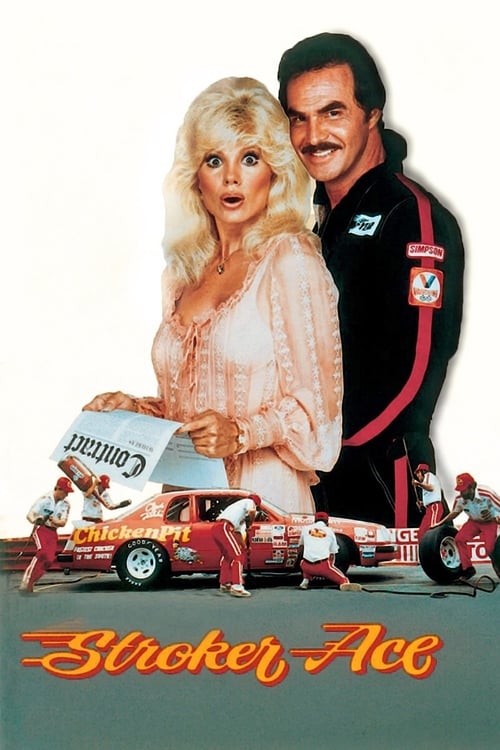
1983
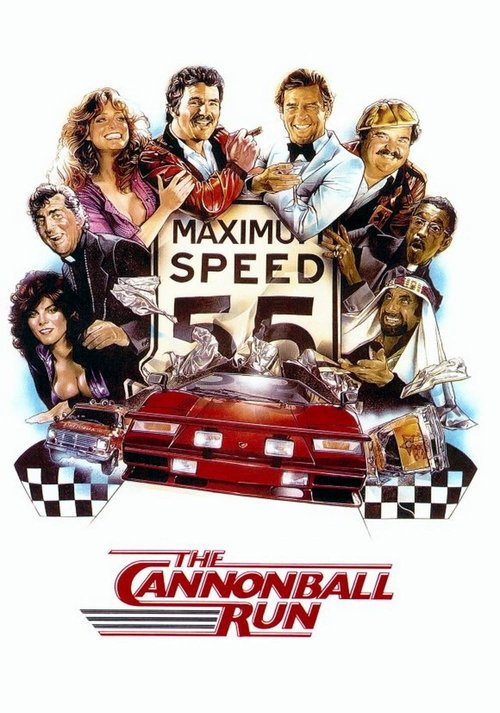
1981
No reviews yet. Be the first to share your thoughts on this movie!
Use the rating form above to leave a star rating and optional review.