Every Witch Way: Spellbound
2014
No user ratings available yet
Diversity score: 5.4 out of 10
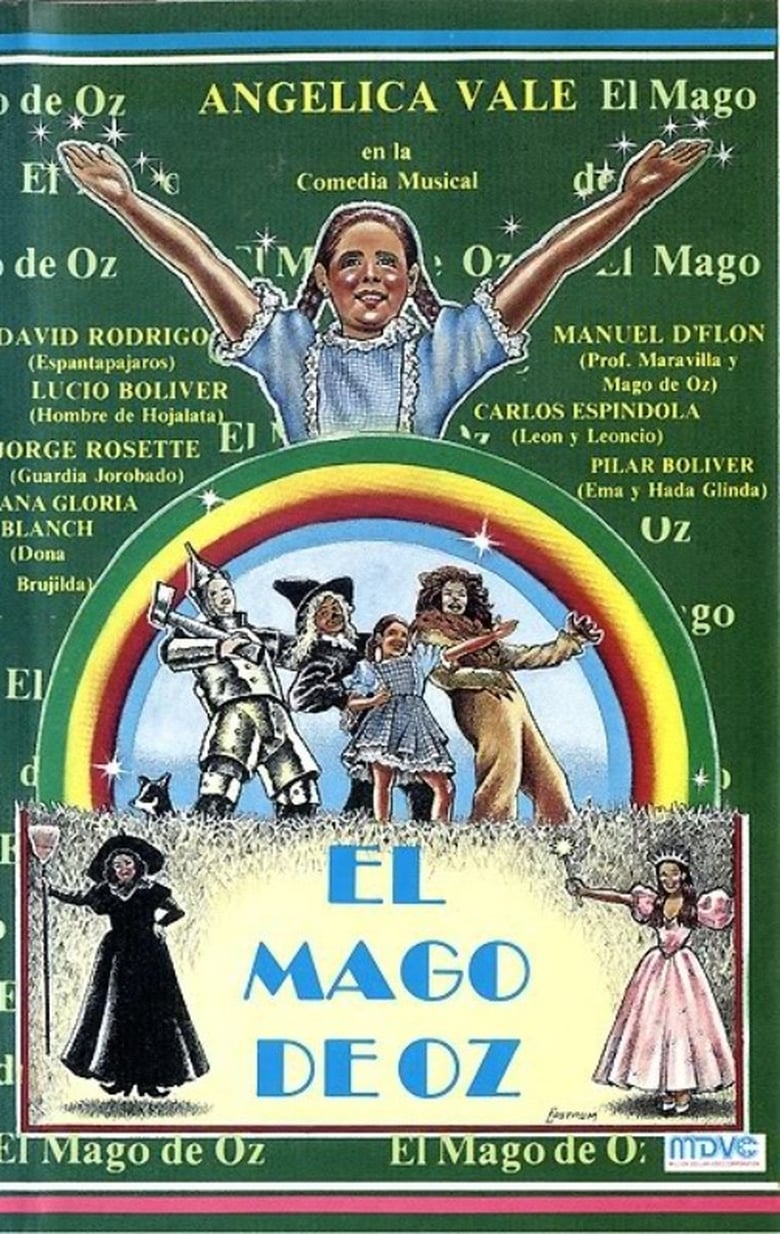
1985
Director
Angélica Ortiz, Ramón Téllez
Runtime
70 minutes
Average Rating
No ratings yetSynopsis
In this minimalist stage version of the MGM film, Dorotea is swept to Oz by an offstage tornado, greeted by Glinda and flowery Munchkins, not played by actors. Glinda looks suspiciously like Mother Ema (not Aunt). A Wicked Witch appears with blacked out teeth who looks like Dona Brujilda, who has been trying to get rid of Dorotea's dog.
Overall Score
Fair
Category Breakdown
LGBTQ+ Representation
The narrative focuses entirely on Dorotea's journey. There are no explicit depictions of LGBTQ+ identities or non-heteronormative romantic pairings present in this version.
Gender Representation
Dorotea serves as a central female protagonist driving the plot. The presence of Glinda and the Wicked Witch establishes a female-centric power dynamic throughout the story.
Racial & Ethnic Diversity
The use of names like Dorotea and Dona Brujilda suggests a cultural transposition. This indicates a departure from the Anglo-centric standards of the original MGM classic.
Religious & Cultural Diversity
Minimalist staging and the reimagining of the Wicked Witch as a local antagonist suggest a move toward subjective morality. This approach avoids traditional, didactic Western storytelling norms.
Disability Representation
The production provides no information regarding the depiction of physical, sensory, or neurodivergent characters.
Strengths
Areas for Improvement
AI Analysis
This stage-based adaptation of the classic tale functions as a moderate reimagining. It succeeds by disrupting traditional character archetypes and shifting the focus toward a localized, female-centric perspective. By reconfiguring characters like Glinda and the Wicked Witch, the film moves away from high-budget Hollywood spectacle. It replaces universal tropes with more personal, community-based conflicts. However, the work lacks explicit intersectional complexity. While it departs from the original source material's norms, it does not provide deep representation across all identity categories.
2014
1907
1907
1907
1905
1966
2016

1971
1907
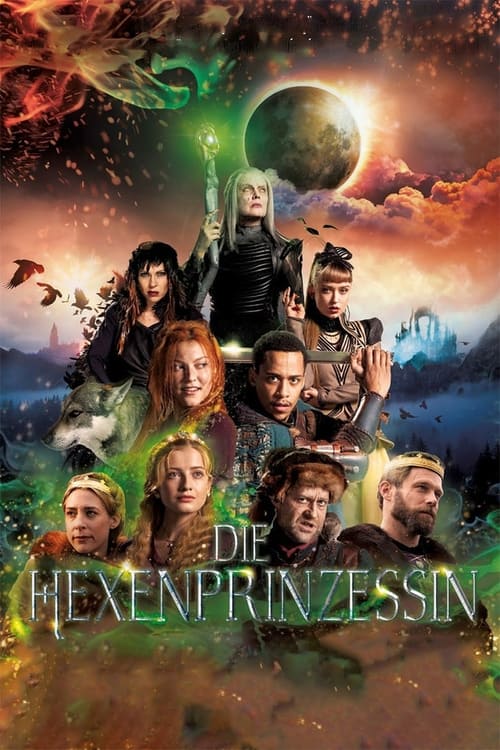
2020
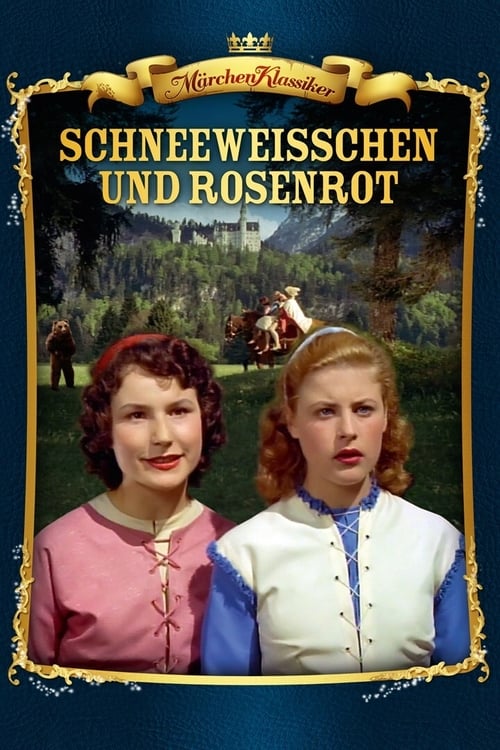
1955
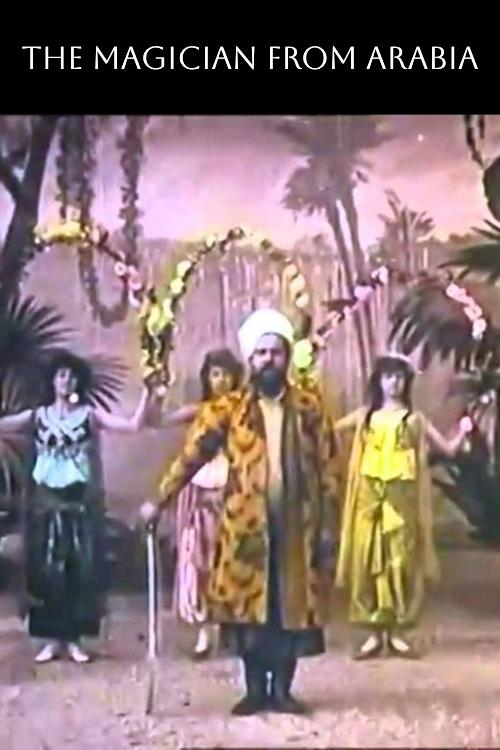
1906
No reviews yet. Be the first to share your thoughts on this movie!
Use the rating form above to leave a star rating and optional review.