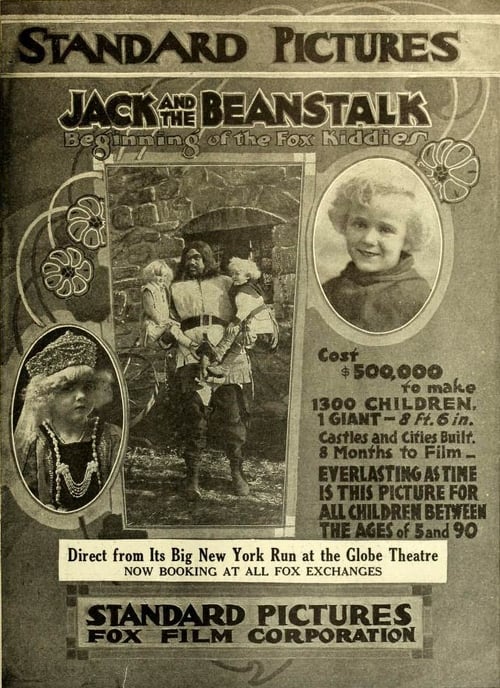
Jack and the Beanstalk
1917
No user ratings available yet
Diversity score: 2.9 out of 10
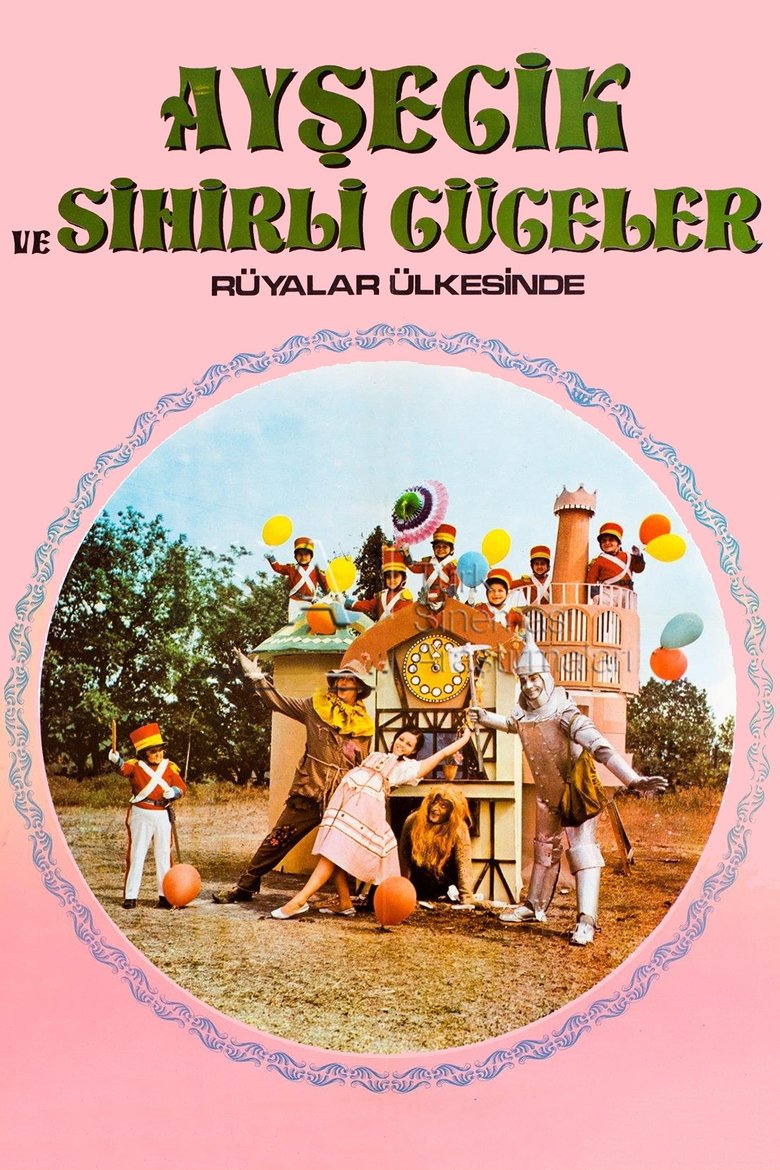
1971
Director
Tunç Başaran
Runtime
100 minutes
Average Rating
No ratings yetSynopsis
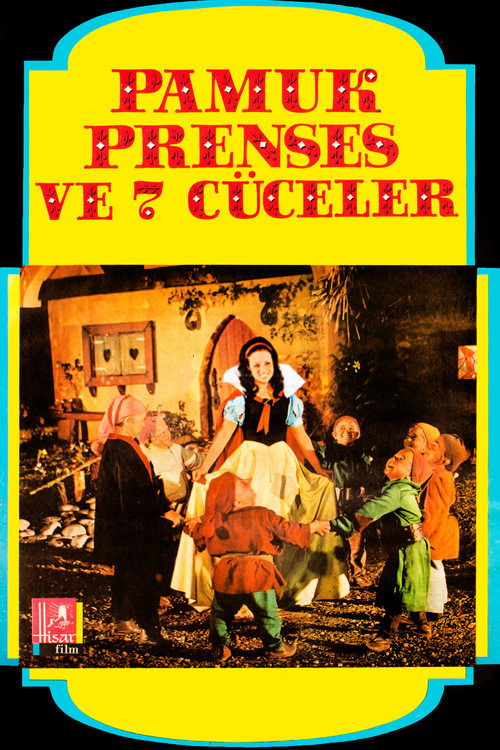
A young girl named Aysecik lives on her parents' farm, when an animated tornado carries her and her dog Banju in their house to Rüyalar Ulkesinde (Dreamland). Seven Cüceler (dwarfs) (dressed like MGM Munchkin soldiers, only red and white) who assist the Good Witch of the North appear at various times to help. She meets a Scarecrow, an Iron Woodman, and a Cowardly Lion, and dances to music from what appears to be an invisible radio. They encounter fighting trees, a river, and a country of China dolls on their way to the Wizard, a ball of fire who sends them after the Wicked Witch who enslaves them. When the Wizard is unable to help Aysecik get home, they must journey again for help, encountering the China Country once more, and a legion of hammer-throwing cavemen.
Overall Score
Limited
Category Breakdown
LGBTQ+ Representation
The film follows conventional narrative structures of its era. There are no depictions of non-cisnormative identities or same-sex intimacy.
Gender Representation
Ayşecik serves as the central protagonist driving the plot. However, her agency is framed through childhood wonder tropes rather than deconstructing gendered power dynamics.
Racial & Ethnic Diversity
The production uses a predominantly Turkish cast to provide a localized lens. The China Country sequence utilizes period-specific aesthetic tropes common to 1970s fantasy.
Religious & Cultural Diversity
The narrative prioritizes escapism and magical realism over social critique. It adopts a traditional moral structure typical of children's fables.
Disability Representation
There is no significant evidence regarding the portrayal of visible or invisible disabilities. Characters are fantastical constructs rather than representations of human disability.
Strengths
Areas for Improvement
AI Analysis
This Turkish adaptation of classic fantasy tropes focuses on a whimsical, high-fantasy aesthetic. It functions primarily as a vehicle for escapism, following a traditional hero's journey centered on a young female protagonist. The film relies on established genre conventions rather than the subversion of social hierarchies. It prioritizes archetypal storytelling and childhood wonder over the exploration of intersectional identities or systemic power structures. Ultimately, the production operates within the traditionalist boundaries of 1970s children's cinema. It lacks the intentionality required to challenge or deconstruct modern social expectations.
1917
1966
1955
1970
1995
1970
2020
1985
2003
1964
1961
1996
No reviews yet. Be the first to share your thoughts on this movie!
Use the rating form above to leave a star rating and optional review.