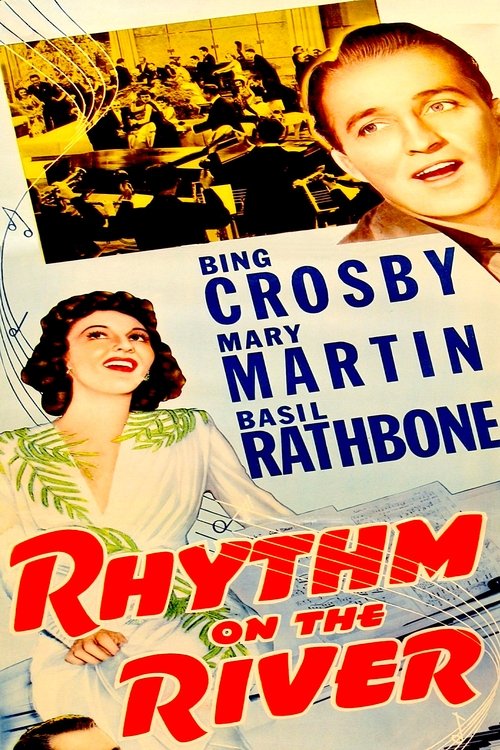
Rhythm on the River
1940
No user ratings available yet
Representation score: 0.4 out of 10
Representation Score
Minimal
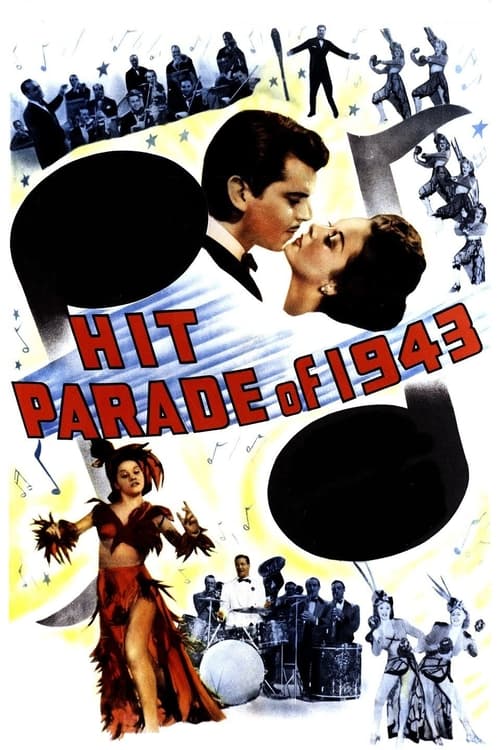
1943
NRDirector
Albert S. Rogell
Runtime
82 minutes
Average Rating
No ratings yetNew Showbiz Analysis
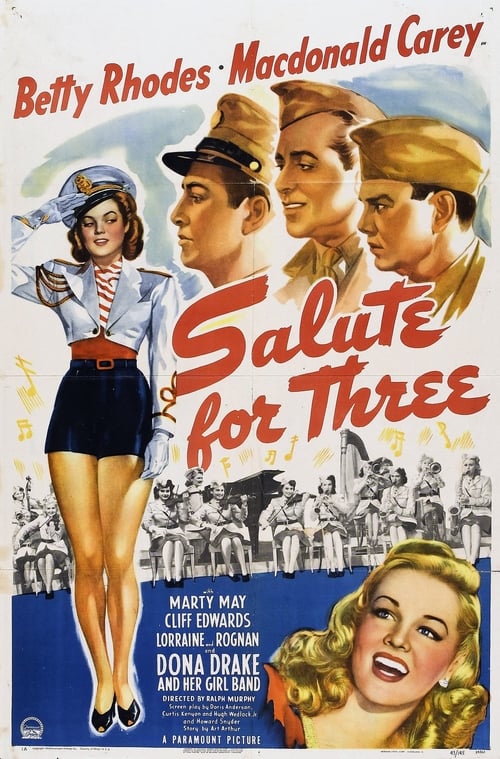
Hit Parade of 1943 is a commercial variety show that emphasizes musical performance and comedy sketches. Its revue format prioritizes entertainment over complex social commentary. The film adheres to the standardized entertainment practices of the mid-1940s, reinforcing prevailing social and demographic norms. Ultimately, the film serves as a nostalgic artifact of its time, presenting a standardized Western social landscape designed for mass consumption and commercial promotion.
Category Breakdown
The film does not include any characters with non-binary or transgender identities, nor does it depict any same-sex relationships. The musical numbers and sketches follow a strictly heterosexual framework.
Gender dynamics in the film reinforce traditional mid-century roles. Female performers mainly contribute through dance and song, while male performers dominate the comedic elements.
The cast is predominantly white, reflecting the homogeneous demographics of the 1940s studio system. There is a noticeable absence of racial or ethnic diversity among the performers.
The film promotes traditional social stability and Western cultural norms. It avoids any critique of capitalism or religious institutions. The narrative focuses on maintaining social harmony and commercial success.
The film does not feature any characters with visible or invisible disabilities. The performers are all able-bodied, focusing on physical performance and musical numbers.
Present on Screen
Limited or Absent
Official Synopsis
When amateur songwriter Jill Wright moves from the Midwest to New York City, she is dismayed to discover that Rick Farrell, the owner of Miracle Publishing Co., has claimed as his own the song she submitted to his company. One of the many films made at Republic with a year attached to the "Hit Parade" title, which came from the "Hit Parade" radio program sponsored by Lucky Strike cigarettes.
1940
1933
1945
1929
1939
1935
1943

1937
No reviews yet. Be the first to share your thoughts on this movie!
Use the rating form above to leave a star rating and optional review.