The Valley
1968
No user ratings available yet
Representation score: 4.2 out of 10
Representation Score
Fair
1977
Director
Lyudmil Kirkov
Runtime
103 minutes
Average Rating
No ratings yetNew Showbiz Analysis
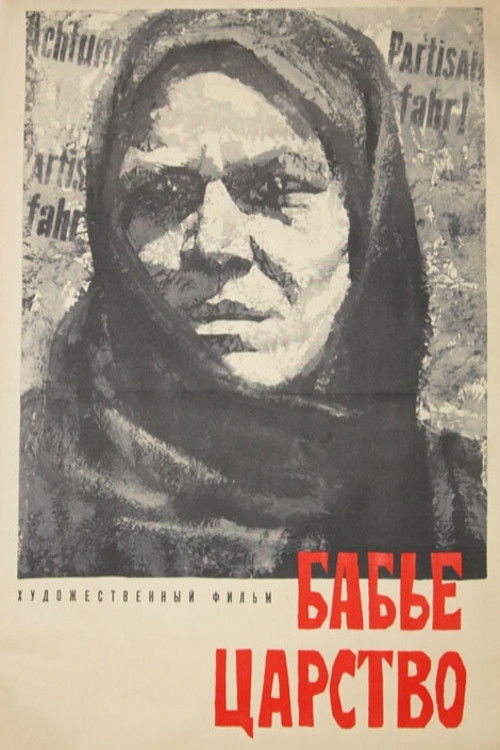
Lyudmil Kirkov’s drama stands out by focusing on a 'female kingdom' in a deserted village. The film’s strength lies in its examination of power dynamics when men are absent, highlighting the shift in communal authority and leadership. However, the film’s scope is limited by its historical and geographical context, which may not fully represent a diverse range of identities and backgrounds. Ultimately, the work serves as a compelling study of social inversion and communal survival, emphasizing female leadership over traditional domestic hierarchies.
Category Breakdown
The film does not provide any confirmed evidence of same-sex relationships or non-cisgender characters. It focuses on a community where men are absent, creating a unique social space without direct LGBTQ+ representation.
Women play a central role in driving the survival and social order of the community. The film highlights their leadership and authority, challenging traditional gender hierarchies.
The production likely reflects the ethnic homogeneity of 1977 Bulgaria. Without specific details on a multi-ethnic cast, the film's racial diversity remains at a baseline level for the time period.
The film centers on a collective matriarchal structure, diverging from the traditional nuclear family model. This focus critiques standard social institutions and patriarchal norms.
There is no evidence regarding the depiction of physical or neurodivergent characters. Therefore, no meaningful assessment of disability representation can be made.
Present on Screen
Limited or Absent
Official Synopsis
The film belongs to the 'migration cycle' in the Bulgarian cinema. It is about the drama of a group of women who have been left alone in their 'female kingdom' - a village deserted by its entire men folk.
1968
2000

1999

2016
1968
1980

2021
1968
No reviews yet. Be the first to share your thoughts on this movie!
Use the rating form above to leave a star rating and optional review.