
Habit
1997
No user ratings available yet
Representation score: 5.8 out of 10
Representation Score
Good
1989
RDirector
Katt Shea
Runtime
82 minutes
Average Rating
No ratings yetNew Showbiz Analysis
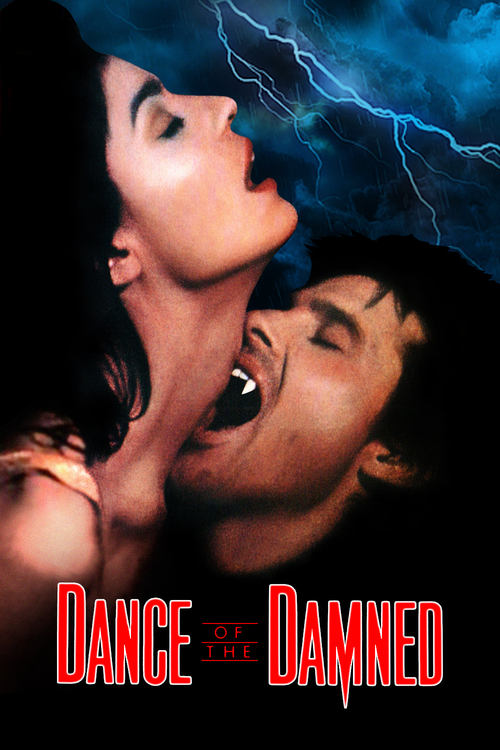
Dance of the Damned stands out by using horror to explore existential questions. It shifts focus from typical monster clichés to highlight the internal ability to act of its female lead. While the film excels in subverting traditional gender roles and examining complex moral frameworks, it falls short in other areas. The narrative is narrow, focusing on a single psychological encounter. Ultimately, the film's strength lies in its character-driven exploration of nihilism, despite its limited representation of racial and LGBTQ+ diversity.
Category Breakdown
The film doesn't include any explicit LGBTQ+ identities or same-sex relationships. The main relationship follows a traditional male-female dynamic, offering little in terms of queer narratives.
The narrative focuses on the female protagonist's inner life and her ability to drive the plot. She engages philosophically with the vampire, subverting the typical damsel in distress stereotype.
There is no evidence of a non-white or diverse cast. The story centers on a single psychological encounter typical of late-80s independent horror.
The film avoids simple good versus evil themes by presenting the vampire as a conversational partner. It highlights secular existentialism and moral relativism through the lens of personal experience.
The protagonist's contemplation of suicide highlights mental health struggles. It treats psychological distress as a central character arc rather than a mere shock device.
Present on Screen
Limited or Absent
Official Synopsis
A vampire follows his instincts to a strip joint where he focuses in on one of the performers. He picks her for his meal because she is contemplating suicide, but he wants to share her life before taking it, and during the course of the evening they discuss their differences, their fears, and their lifestyles. As the moment of truth approaches, the woman becomes less sure that she wants to die.
1997

1978

1991

1995

1995

1983
2009

1989
No reviews yet. Be the first to share your thoughts on this movie!
Use the rating form above to leave a star rating and optional review.