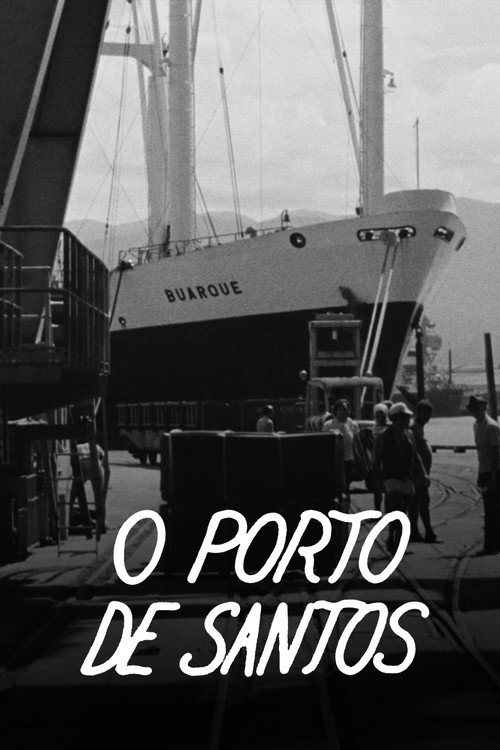
O Porto de Santos
1978
No user ratings available yet
Representation score: 5.7 out of 10
Representation Score
Excellent
1976
Director
Aloysio Raulino
Runtime
15 minutes
Average Rating
No ratings yetNew Showbiz Analysis
Aloysio Raulino’s documentary is a sophisticated piece of observational cinema. It uses Frantz Fanon’s theories to reframe the urban underrepresented in São Paulo, moving beyond simple documentation toward a critique of systemic power. The film excels in its depth, particularly through its engagement with post-colonialism and the visibility of mental health. By centering those outside the dominant socio-economic structure, it challenges traditional Western hierarchies. However, the work lacks specific, verifiable representation regarding gendered roles and LGBTQ+ identities.
Category Breakdown
The film captures the social expressions of revelers in São Paulo but does not depict non-binary gender identities or specific LGBTQ+ stories.
By focusing on the raw gestures of street life, the film disrupts traditional cinematic archetypes of beauty. It lacks specific evidence regarding women's roles or challenging gender hierarchies.
The documentary engages deeply with Frantz Fanon's theories on colonialism. It prioritizes the perspectives of underrepresented urban groups that include significant racial and ethnic diversity.
The work uses anti-colonial frameworks to critique systemic inequality. It frames disenfranchised subjects as individuals navigating complex social pressures rather than just being outliers.
The film provides visibility to neurodivergence by centering 'madmen' within the frame. This approach demands intellectual engagement with their conditions rather than treating them as spectacles.
Present on Screen
Limited or Absent
Official Synopsis
The faces, the gestures and speech of beggars, madmen and revelers passing through the streets of São Paulo. The sounds and images are illustrated with Frantz Fanon extracts.
1978

2000

2001

2002

1967

1968

2016

2000
No reviews yet. Be the first to share your thoughts on this movie!
Use the rating form above to leave a star rating and optional review.