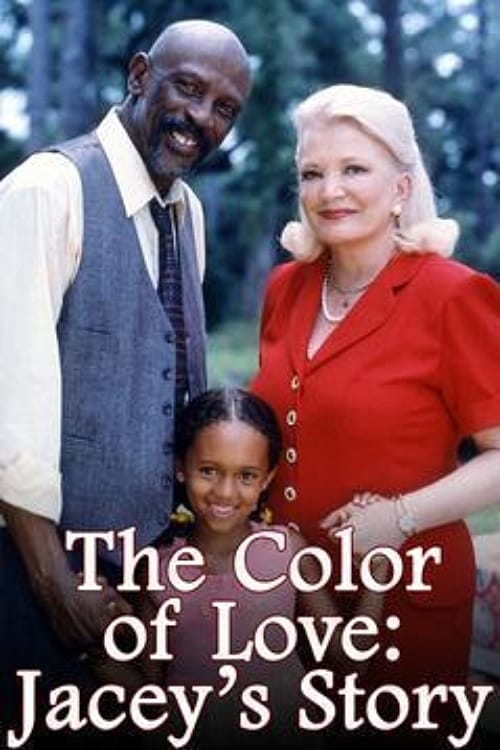
The Color of Love: Jacey's Story
2000
No user ratings available yet
Representation score: 3.7 out of 10

Representation Score
Fair
1999
TV-PGDirector
Anita W. Addison
Runtime
89 minutes
Average Rating
No ratings yetNew Showbiz Analysis
The film presents a 1960s Boston setting where a white woman gives up her Black daughter for adoption. The narrative centers on the maternal choices of Gerry and Corrine, who navigate racial prejudice and religious conviction. These women drive the plot through their decisions regarding Barbara’s life and well-being. Racial dynamics form the core of the story, exploring the impact of an interracial adoption on both families. The characters are given depth and agency, avoiding simplistic stereotypes while addressing historical community tensions. The focus remains on personal relationships and the search for identity within a specific social context. LGBTQ+ and disability representation are absent from the on-screen inventory. The story relies on traditional family structures and faith as stabilizing forces. Male characters support the women but remain secondary to the primary emotional and domestic labor depicted.
Category Breakdown
No queer characters, romance, or identity markers appear in the cast or dialogue. The narrative focuses entirely on heterosexual relationships and family dynamics.
Women drive the plot through maternal choices and survival. Gerry and Corrine make key decisions about Barbara’s life, though they operate within 1960s domestic constraints. Men are supportive but secondary to the women’s emotional labor.
Central interracial adoption plot features Black and white leads. Corrine and Barbara provide significant narrative depth and agency. The film examines racial prejudice and community support without relying on stereotypes.
Catholic faith and nuclear family are treated as moral anchors. Gerry’s religious convictions guide her adoption decision. The story honors traditional values like sacrifice and community while acknowledging historical racial tensions.
Absent. No characters with ongoing disabilities appear. Medical issues are limited to pregnancy and temporary physical ailments, serving only as plot devices rather than exploring disabled lives.
Present on Screen
Limited or Absent
Official Synopsis
A black woman is reunited with her white birth mother after being given up for adoption.
2000
1995

2009

2018

2018

1997

2001

1991
No reviews yet. Be the first to share your thoughts on this movie!
Use the rating form above to leave a star rating and optional review.